Floating hide Photography expedition
Floating hide Photography
Expedition to the northern steppes of Central Asia
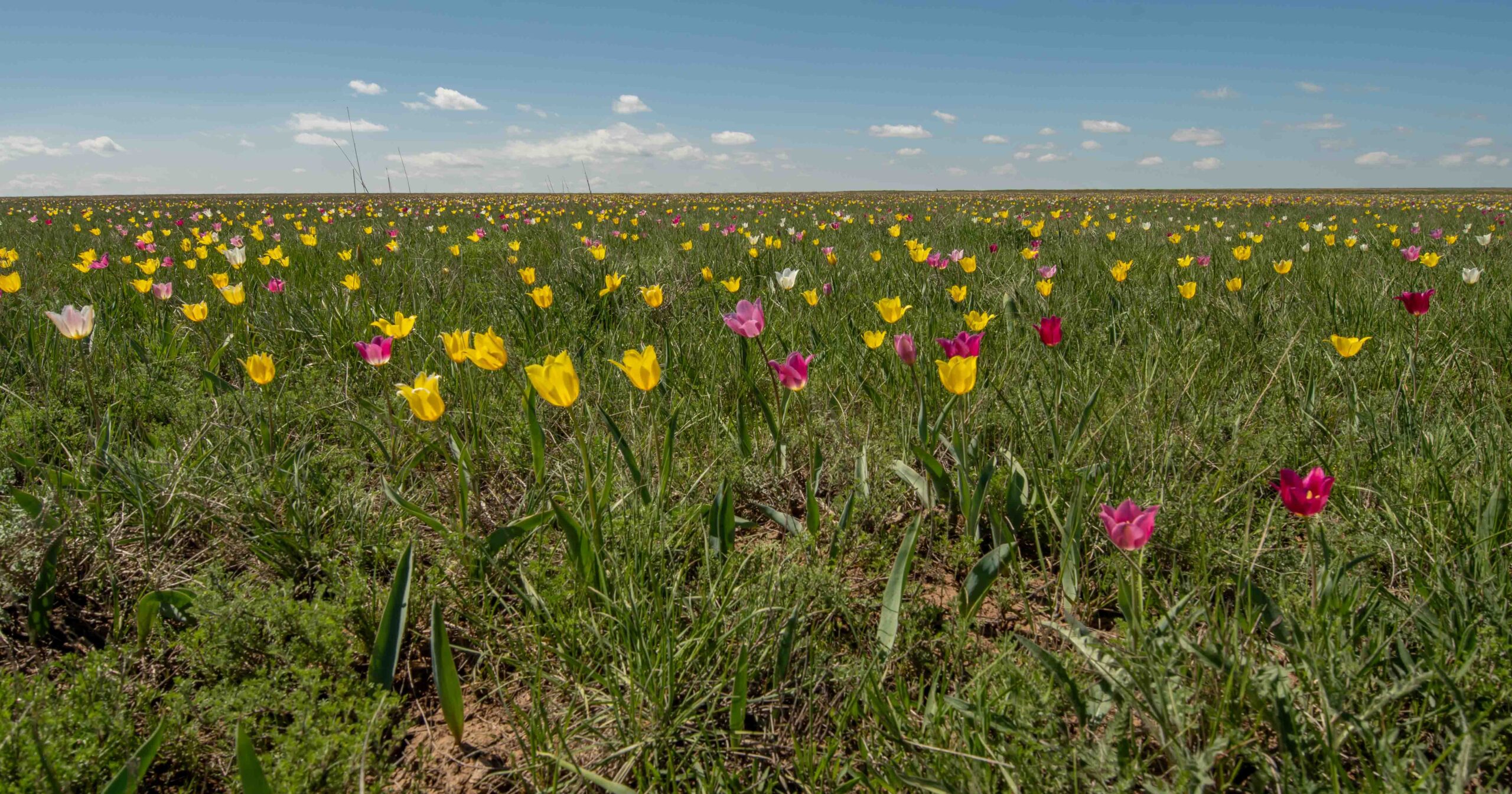
This trip is all about photography, as we optimize our time in the field to take advantage of the best light of day. Sleep and fine dining take the back seat here! As such, it’s a very intense workshop, but also a rewarding one, in a place very few photographers ever visit. Come with an open mind, and prepare to be blown away by the immense Kazakh steppe.
A floating hide is a strange device: it’s essentially a floating tent, with a structure to install a camera on a gimbal head inside. The photographer, wearing waders or a suit, is in the water, under the hide. Being hidden, it’s possible to approach birds with care and enjoy a very low viewing angle doing so. It is however a physically demanding activity.
Throughout this photography journey, we have a specific shortlist of exclusive species in mind. We will primarily aim at these species to get the best possible images. Besides these targets, we will also have opportunities to photograph other sublime species.
Next tour
14 - 21 May 2025
Cost: $4.500 – flights not included
Single supplement: $400
Deposit: $600
Group size: Min 4 – Max 6
Availability: Spaces
Leader: Machiel Valkenburg
Upcoming tour
22 – 30 May 2025: Spaces
14 – 21 May 2026: Spaces
22 – 30 May 2026: Spaces
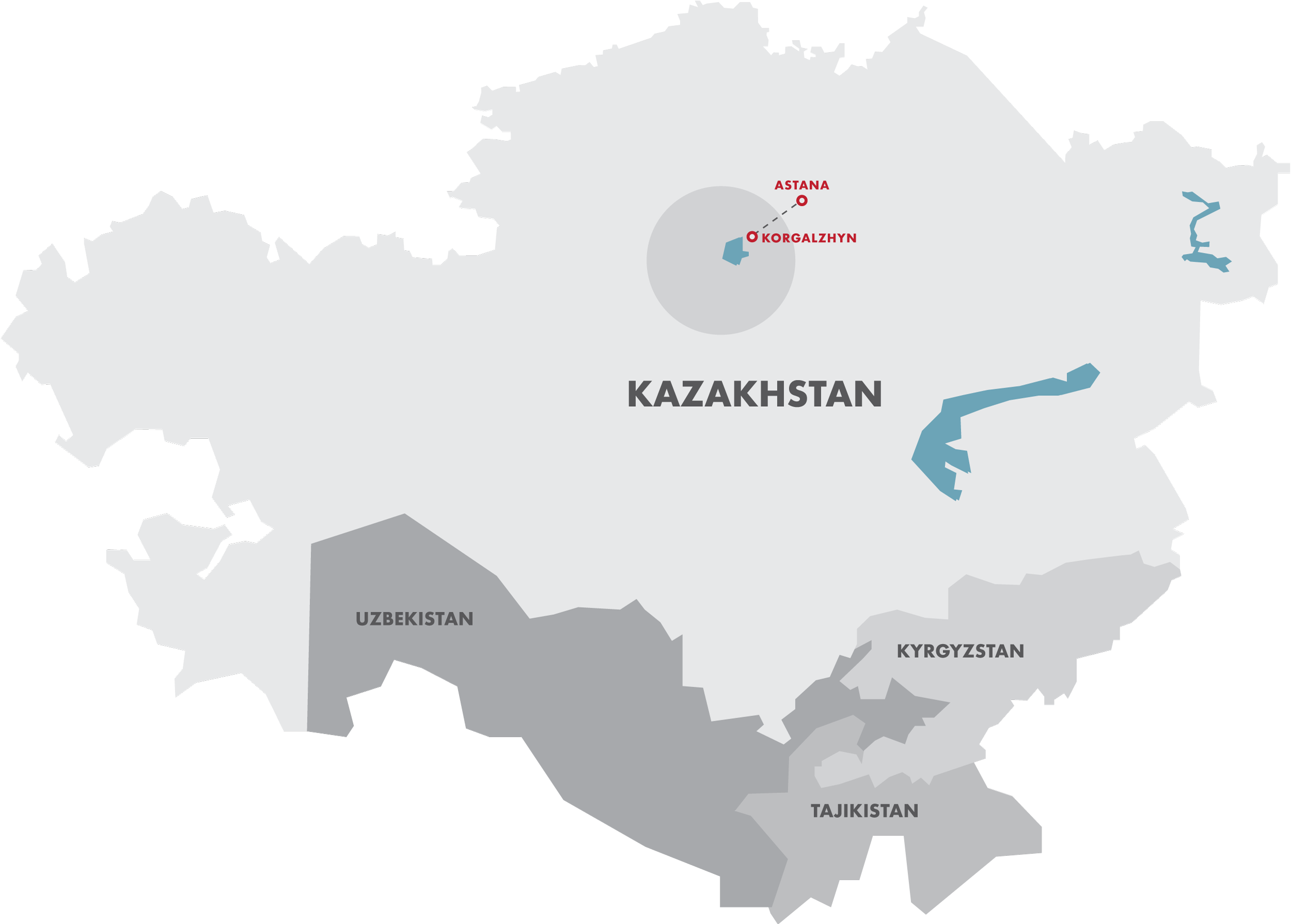
- Click on the image to enlarge
Your Kazakhstan itinerary
Day 1: To Astana
Clients depart from home towards the capitol of Kazakhstan, Astana. There are several options, but they best come via Istanbul (Turkish Airlines). If you like to come in earlier, don’t hesitate to contact the RBT office, which will gladly help with additional hotel bookings.
Night: Day 1, on aircraft
Day 2: Arrival and drive to Korgalzhyn
Even though it’s an early start at the airport, the excitement is palpable as we embark on this unique adventure. After a quick cup of coffee and a chance to exchange or withdraw some Kazakh tenge, we board our bus and set off towards Korgalzhyn. The two-hour drive offers time for conversation or a bit of rest. As the sun begins to rise, we arrive at the village that will be our home base for the week. A warm, hearty breakfast awaits us, followed by a chance to check in at our accommodation and catch up on some sleep.
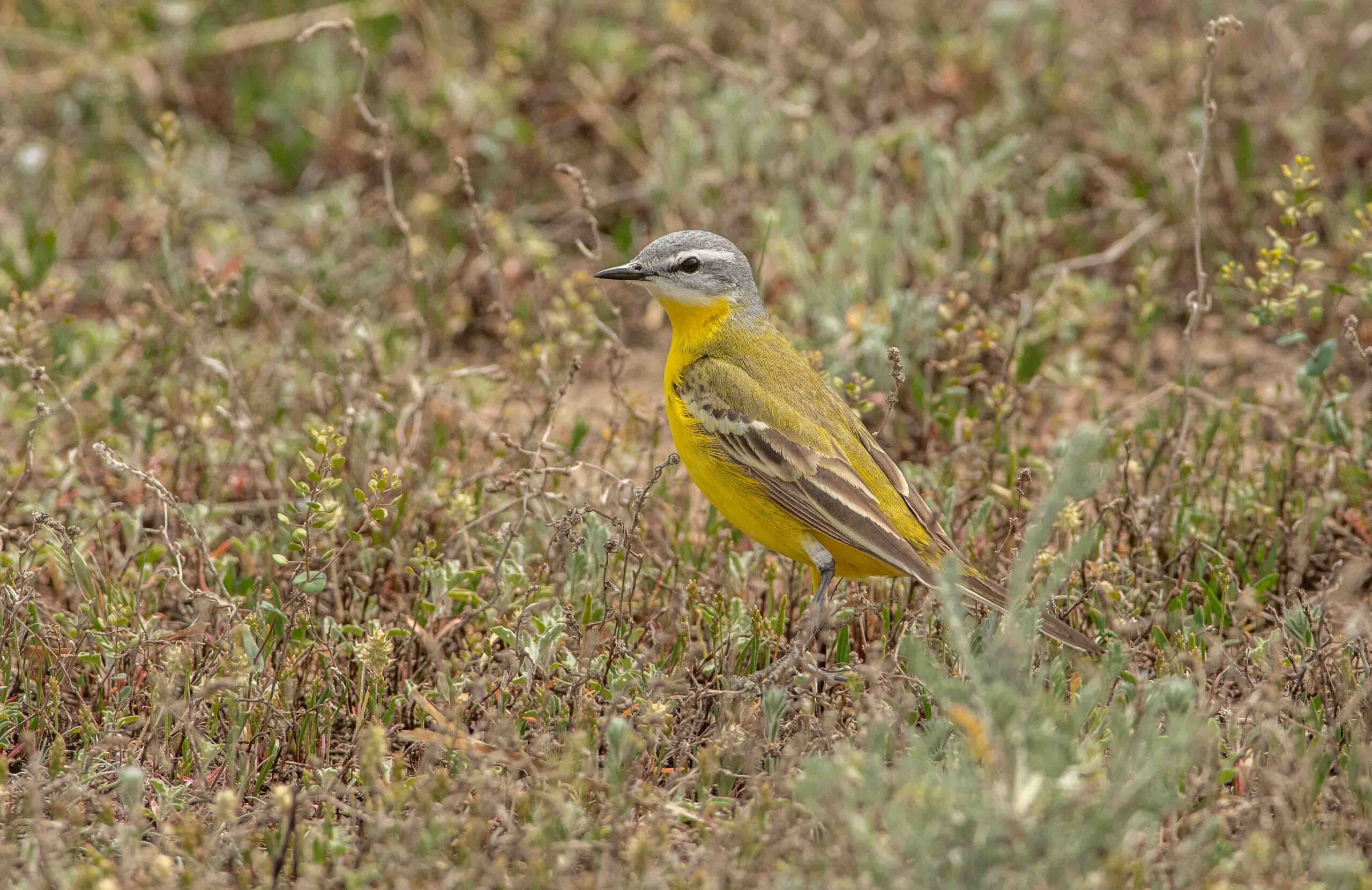
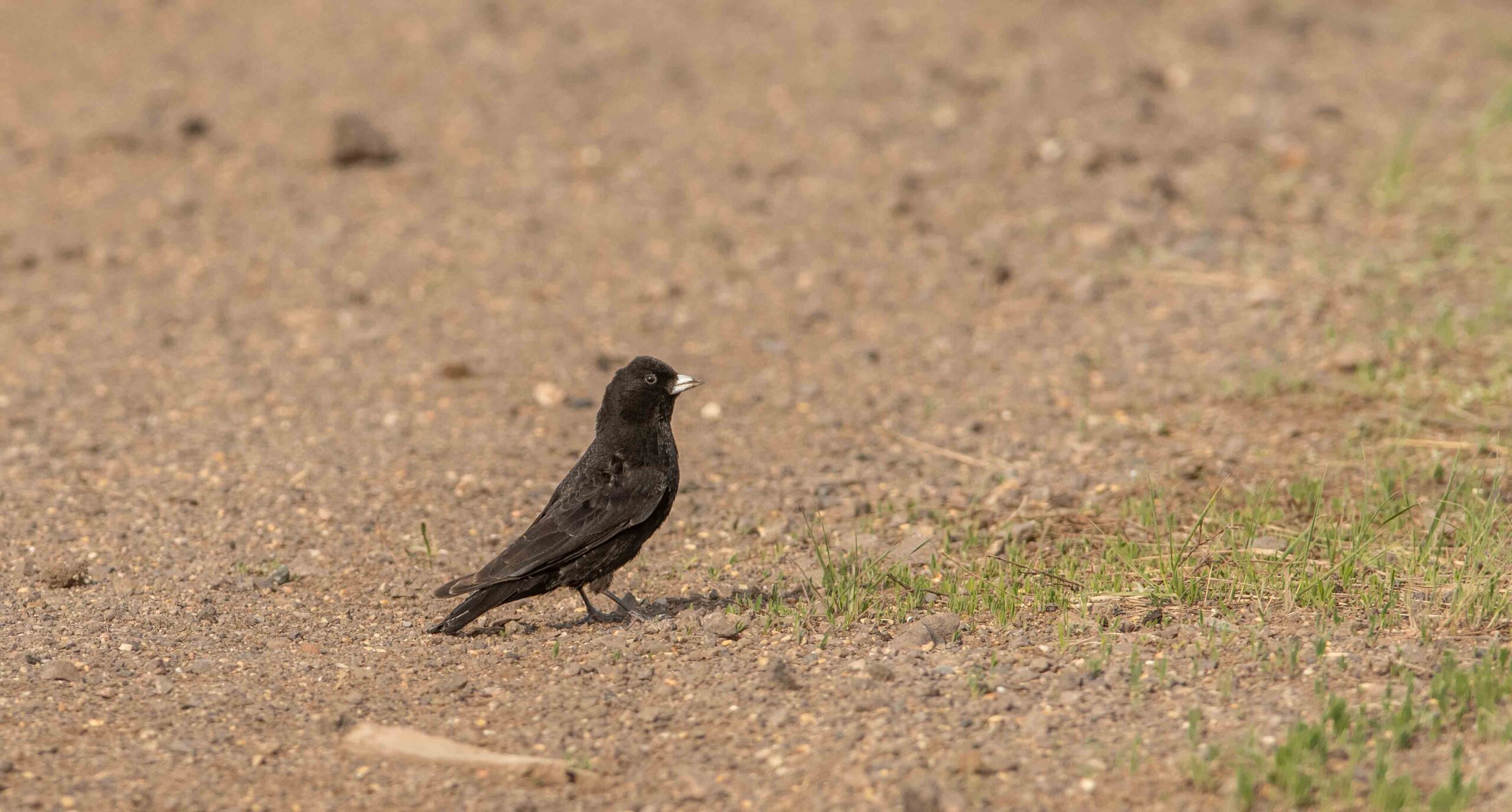
We wake around noon, refreshed and ready for a delicious lunch. Then, it’s time to head into the field for our first scouting mission. We explore the three main lakes where we’ll be photographing and surveying the surrounding steppe, identifying the most promising spots. The air is alive with the sights and sounds of clouds of Ruffs and Western Yellow Wagtails, while Black Larks sing from the nearby grasses. We take some initial shots from the shore, capturing the beauty of the landscape. As evening falls, we return to the village for dinner and prepare our floating hides, ensuring everything is ready for an early start the next day.
Night: Basic guesthouse Korgalzhyn
Day 3 - 7: Photography in Korgalzhyn
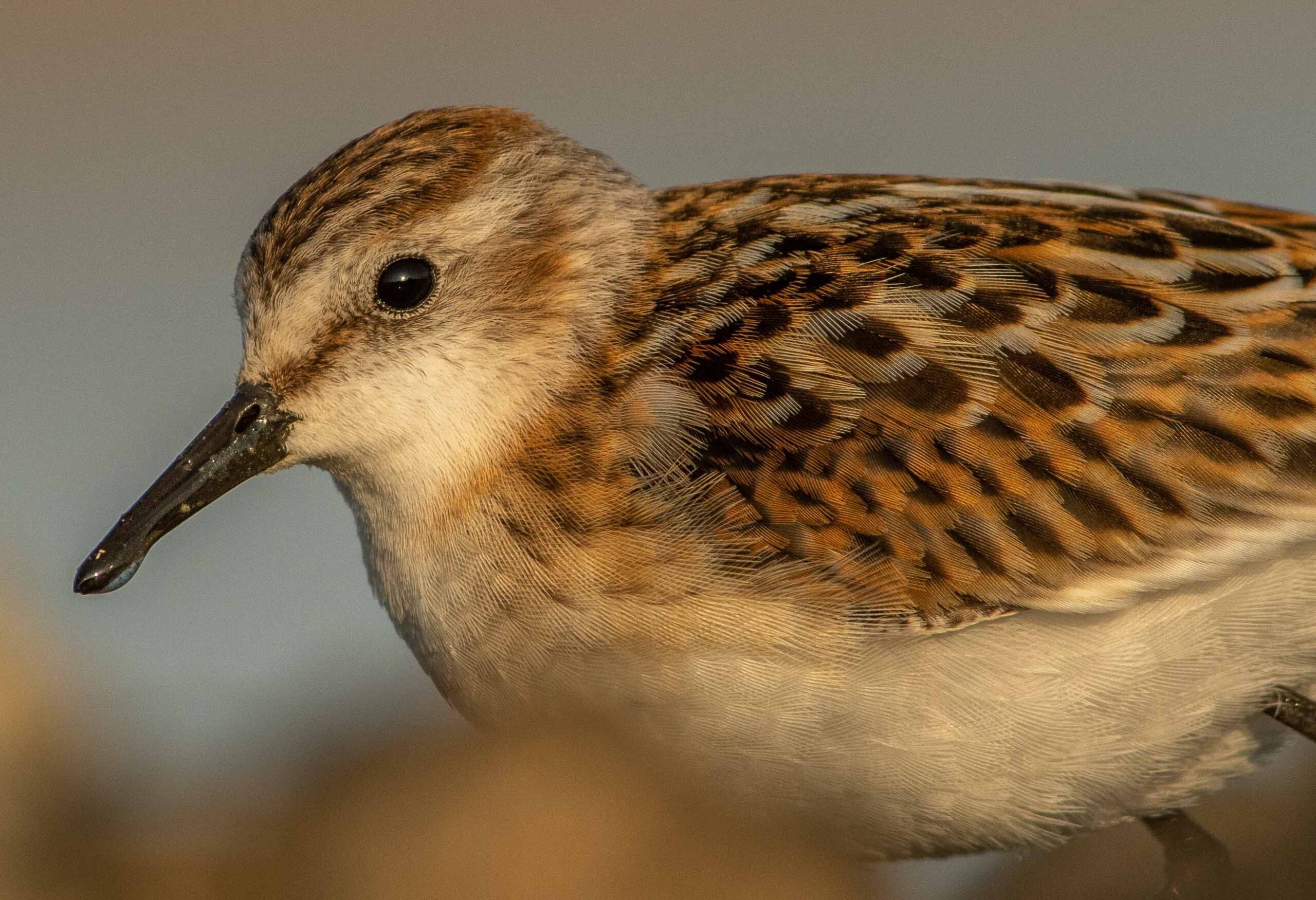
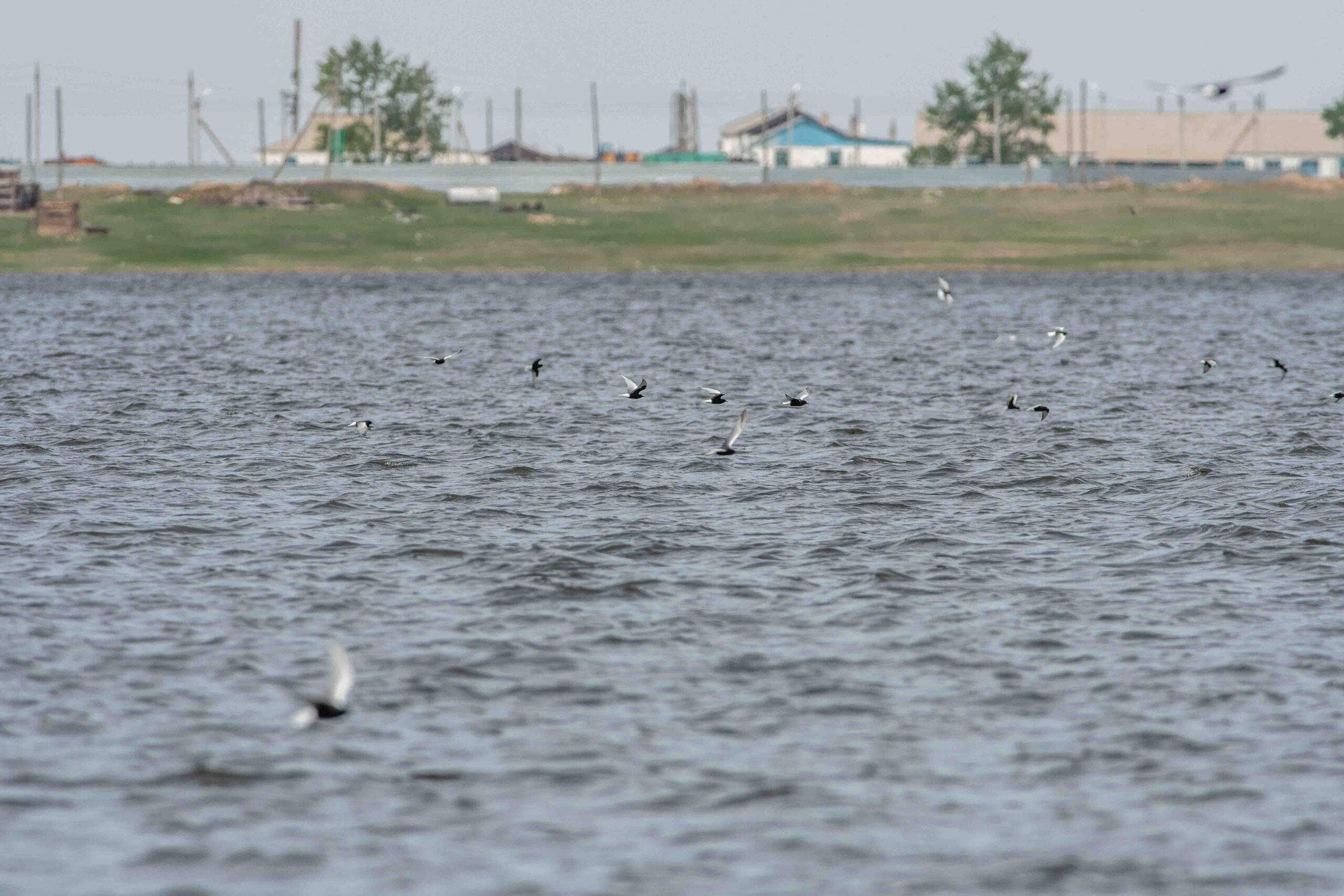
Over the next five days, we will fully immerse ourselves in the rich birdlife of the Korgalzhyn region. Our days begin early, driving out to the lakes while it’s still dark to set up our floating hides. By 5:30 a.m., as the sun begins to rise, we are in position and ready to capture the stunning morning light. On the sandy shores, Temminck’s Stints put on a lively display, darting after each other between meals. Above the Tern Pond, the mesmerizing flight of White-winged Terns tests our skills as they snatch insects from the water’s surface mid-air. The sheer abundance of birds, combined with their apparent lack of fear, provides endless opportunities to experiment with our photography, allowing us to perfect our shots within minutes.
As the sun climbs higher and the light becomes harsh, we retreat from the water, returning to Korgalzhyn for a well-deserved breakfast and a brief nap. After lunch, we head back to the steppe, where the evening light creates ideal conditions for photographing the graceful Marsh Sandpipers wading through shallow waters. Positioning our hides near the shore, we can capture stunning images with beautifully blurred backgrounds. As the sun dips below the horizon, it’s the perfect moment to focus on the elusive Pallas’s Gulls, which become more active and less wary, concentrating on catching insects from the water. We wrap up the day with a packed dinner in the field before heading back to our guesthouse for a well-earned rest, ready to do it all again the next day.
Night: Basic guesthouse Korgalzhyn
Day 8: Return to Astana
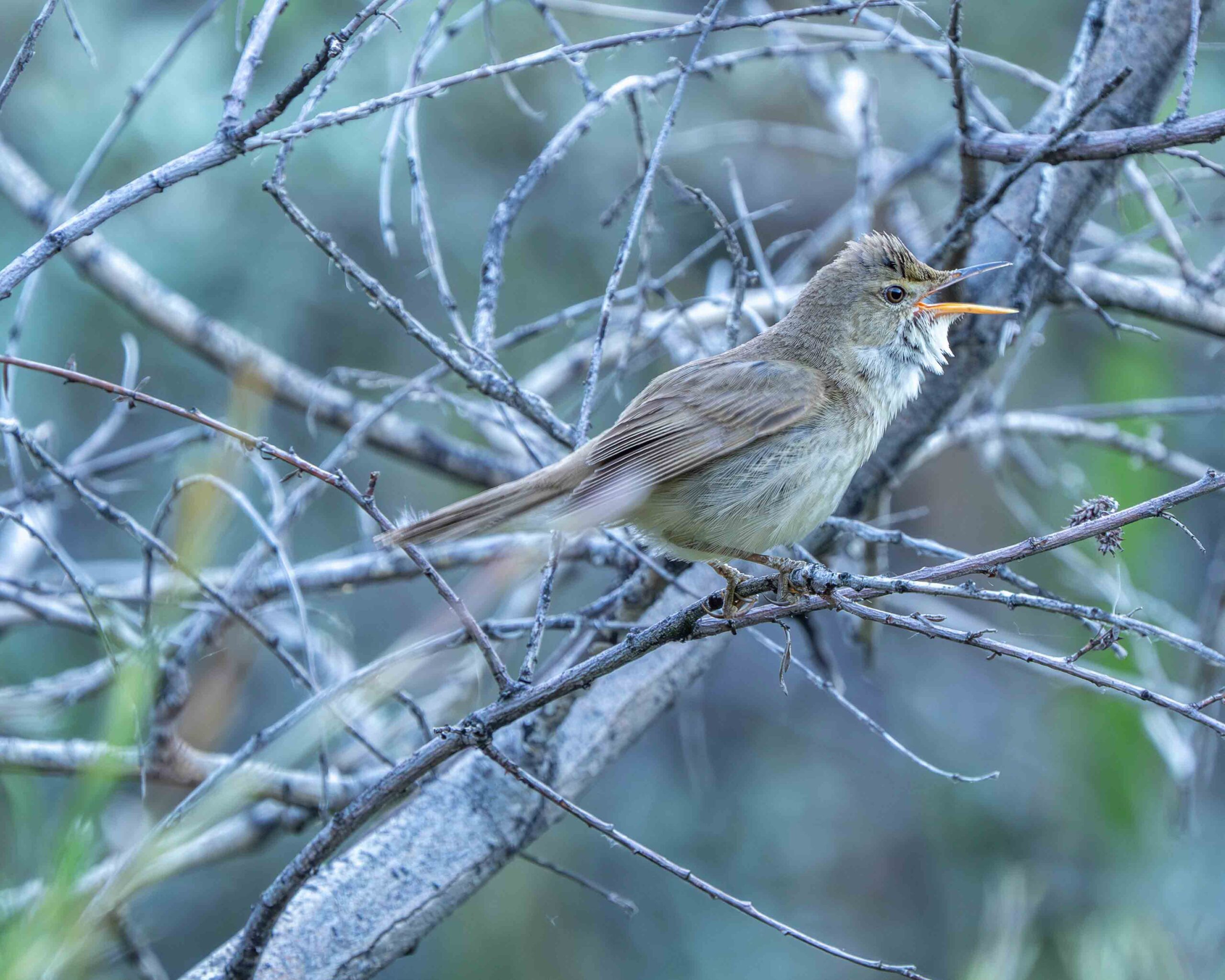
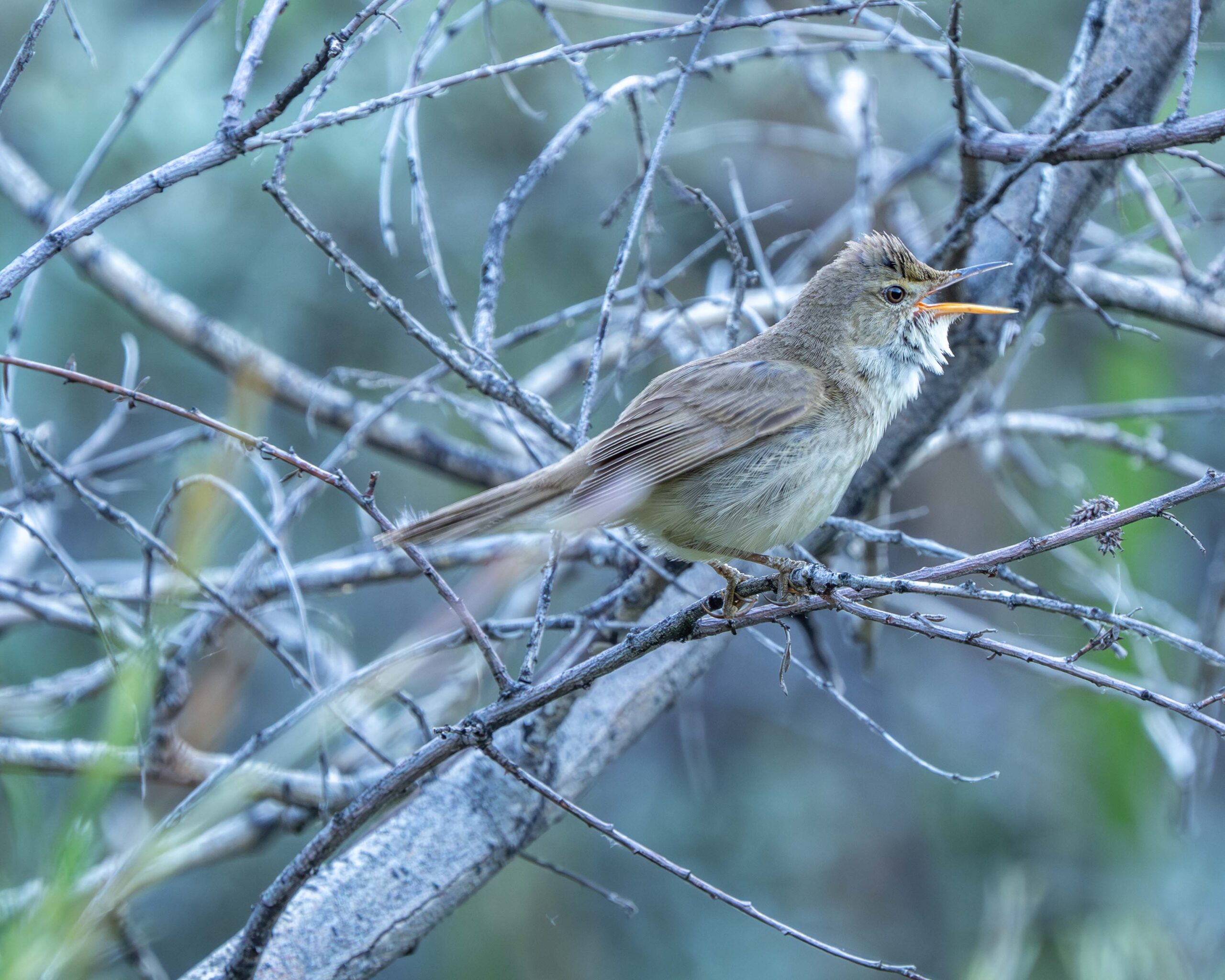
On our final early morning, we return to the lakes for one last opportunity to capture any species we’ve yet to photograph, or simply to soak in the vibrant steppe scenery one last time. The bushes near the village may reveal Common Cuckoos, Oriental Turtle Doves, or the charming Booted Warbler, whose fluttery song adds to the morning ambience. While Pied Avocets and Greater Flamingos are typically shy, we hope they might decide to grace us with a display, celebrating a successful photography tour in Kazakhstan.
After our morning shoot, we head back to the village for lunch, where we pack our gear and prepare for our departure to Astana. Once there, we take some time to admire the striking futuristic architecture of the Kazakh capital, particularly around the iconic Baiterek monument. We conclude our adventure with a delicious farewell dinner at our hotel, reflecting on the incredible experiences we’ve shared. As we depart in the middle of the night, we leave with our hearts full of memories and our memory cards brimming with stunning images.
Night: Comfortable tourist hotel in Astana
Day 9: Return to home
Early this morning, a transfer will be arranged to Nursultan Nazarbayev International Airport (NQZ), ensuring timely arrival for the Turkish Airlines flight to Istanbul, currently scheduled for departure at 3:20 a.m.
Night: No lodging
Tour information
Focus
- Birds
- Photography
- Mammals
- Vast unique landscapes
Group size
Min 4 - Max 6
The group will always be led by one birding leader and one assistant.
What's included in the Price?
All transport. All accommodations in twin rooming. All meals. All permits and national park entrances. The floating hides and low angle hides of Hoki. Please note: Drinks, tips, possible visas and items of a personal nature including travel insurance, are not included. Clients will need to bring their own waders or drysuit, thermal underwear and beanie-gloves-scarf.
Accomodation
Throughout the tour, we will stay in a basic guesthouse located in the village of Korgalzhyn. This accommodation, while basic, offers an authentic experience of Kazakh hospitality, with warm and welcoming hosts who prepare tasty local meals that showcase the simple flavors of the region. Please note that the rooms are simple yet comfortable, with shared bathroom facilities, reflecting the traditional and communal living style of the area. Despite the modest amenities, the unique experience of staying in a local guesthouse allows you to immerse yourself in the culture and daily life of this fascinating region, making your stay both memorable and enriching.
Difficulty
The tour is designed for fanatical photographers who take their hobby seriously.
Camera gear
We advise clients to bring ne Telephoto lens, minimum 400mm, a Wide-angle lens (optional), Teleconverters, and Tripod or monopod, according to taste, and head for low-angle situations, we recommend a tripod that can spread flat, a ground pod or a bean bag to get as low as possible.
Flights
International flights are not included in the pricing. Please connect with the RBT office to find out your best connection to Central Asia.
Clothing - What to pack?
As we journey through Central Asia’s diverse landscapes, it’s important to pack a versatile wardrobe that can handle the varying climates and activities. For the hot steppe and desert regions, lightweight, easily washable, and quick-drying clothes are essential, along with a wide-brimmed sun hat and sunglasses for sun protection. Mornings can be chilly, especially with the wind, so be sure to bring lightweight but warm layers, including a warm hat, fleece, and light gloves. A light waterproof jacket is recommended for unexpected rain showers, keeping you dry and comfortable.
For footwear, choose light yet sturdy walking boots suitable for the diverse terrains we’ll encounter. Additionally, for our time spent in and around water, thermal clothing is necessary to stay warm during extended periods. Don’t forget to bring waders or a dry suit to ensure you remain comfortable and protected in colder conditions.
Situations
Our working location, in the buffer zone of Korgalzhyn State Reserve, is ideally located to offer a variety of photography situations. We have three main lakes nearby, each different in terms of habitat and thus bird species.
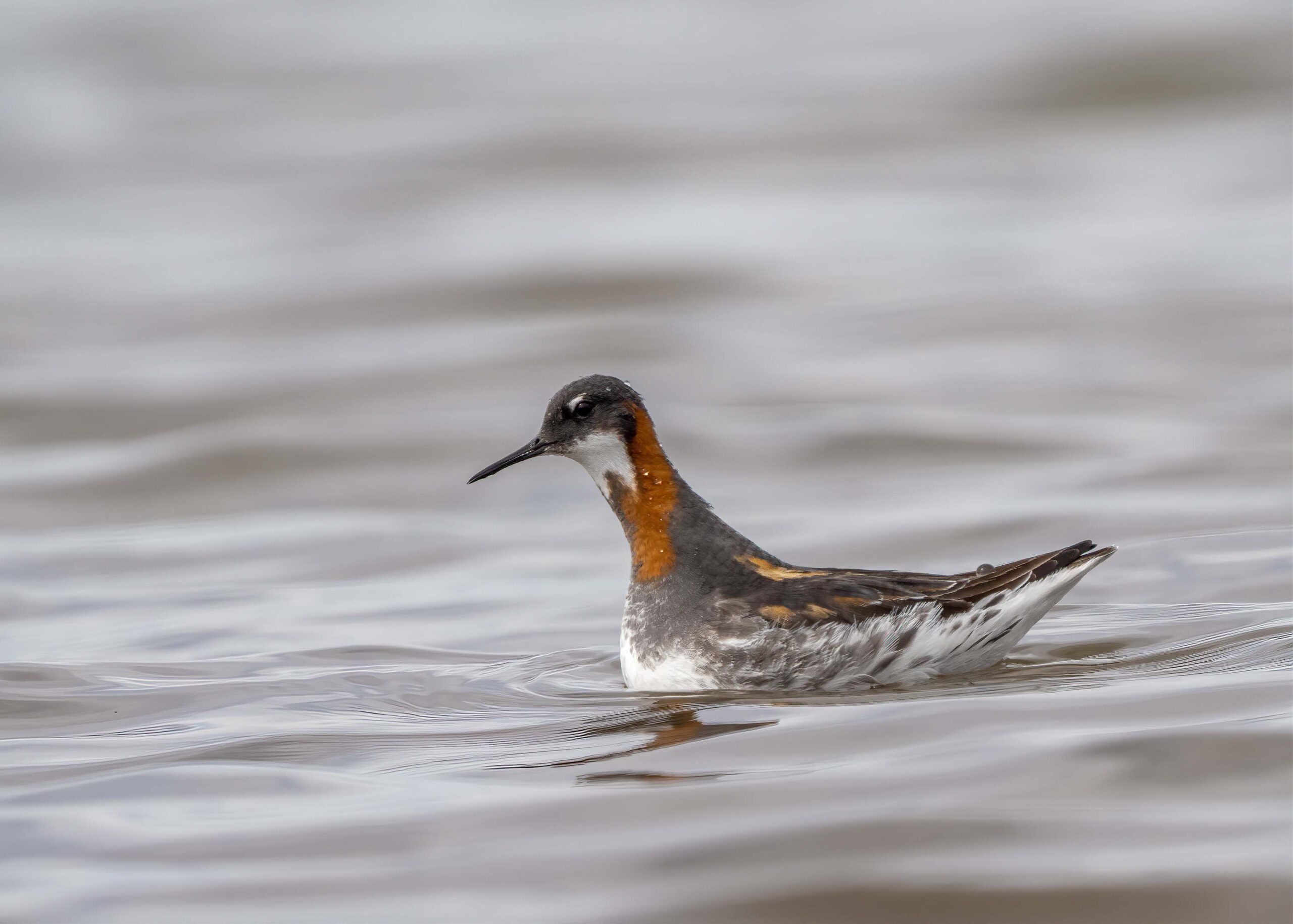
Flamingo Lake is very shallow. It is also quite sheltered from the wind, which means the surface will remain flat like a mirror even when the other lakes are troubled by waves. The iconic species here is the Greater Flamingo, but it’s a shy one. More accommodating are the Common Shelduck, the Little Stint, the Curlew Sandpiper, the Terek Sandpiper, the Dunlin and the Red-necked Phalarope. Because Flamingo Lake is so shallow, it’s very complicated to tread with a floating hide. We prefer to lie down on the shore, either in a hide or under a camouflage net, and let the birds come to us.
The Grebe Lake is the largest in the area, and also the deepest. It’s the realm of Black-necked Grebes, Whooper Swans and Red-necked Phalaropes. The shore attracts many waders, including Black-winged Pratincoles, terns and gulls. The banks have quite a gentle slope underwater, so it’s possible to take the floating hide to the water there. When the wind blows, the waters become choppy; then, the best strategy is often to strand the hide on the shore and wait for birds to come close. On dry ground, a colony of Collared Sand Martins offers more opportunities.
The Tern Pond is smaller but also richer in bird life. It’s a hunting ground for Red-necked Phalaropes, White-winged Terns and Pallas’s Gulls. The sandy and muddy shores attract stints, Ruffs and Marsh Sandpipers, along with Caspian and Gull-billed Terns. The reedbed offers rare but precious possibilities to shoot Paddyfield Warbler and Great Bittern. The creek that leads into the Tern Pond hosts Terek Sandpiper, Red-necked Grebe and Black-tailed Godwit.
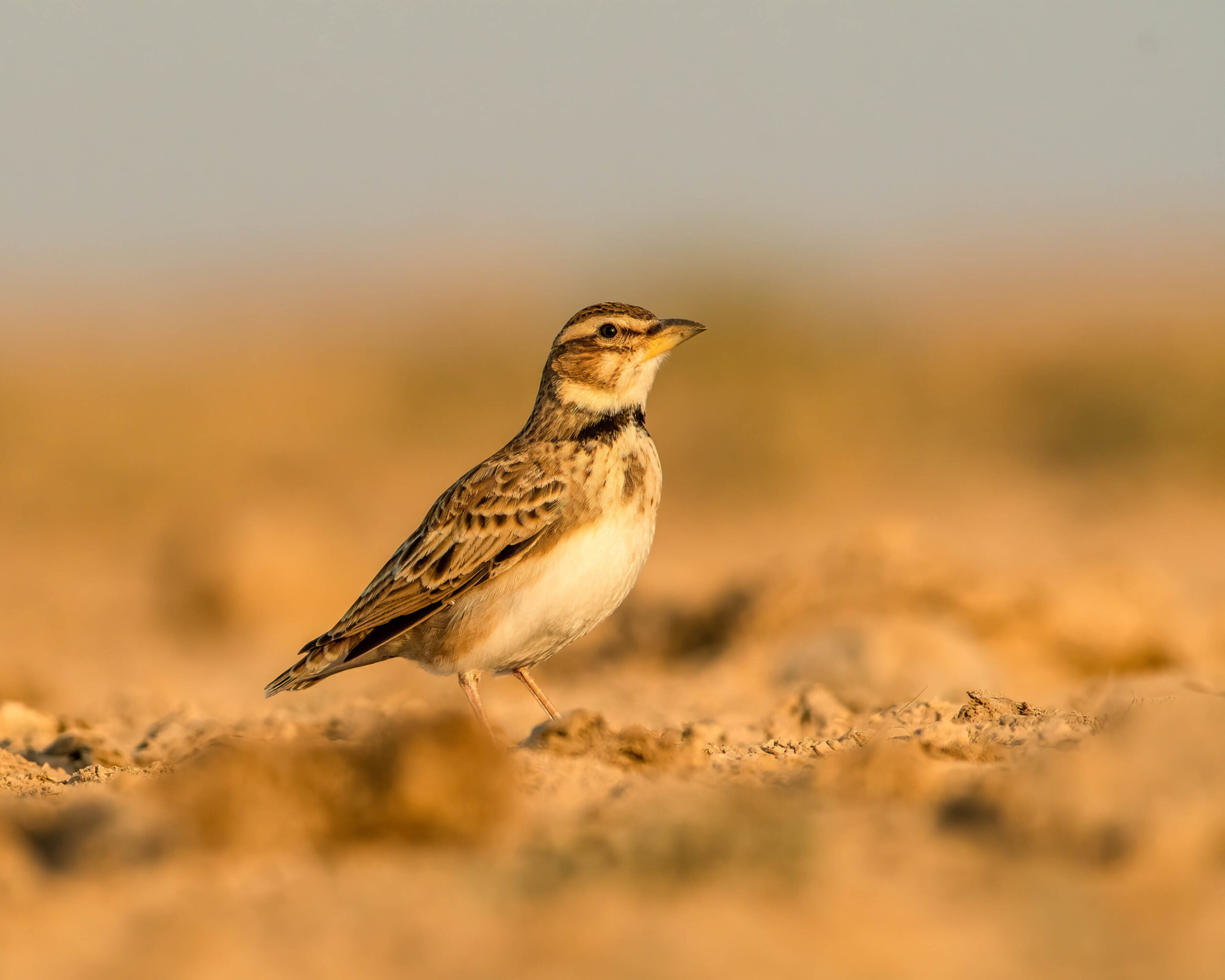
The water there is very shallow (rarely more than a meter), making it an ideal location to work with waders in a floating hideThe surrounding steppe areas are also rich with stunning species, such as the common Black Lark or the elegant Pallid Harrier. Western Yellow Wagtails (breeding beema or migrating thunbergi) and Bobak Marmots can also be exciting targets. In this open habitat, we will patiently stand, sit or lie down in a tent or under a camouflage net, to photograph without being seen.
The village offers yet more photography opportunities: there may be Common Cuckoos on migration, Oriental Turtle Doves in the trees, Booted Warblers in the shrubs or Lesser Kestrels breeding in a ruined building.
With so many possibilities, we strive to remain flexible and allow everyone to get a taste of all situations. With a whole week of shooting, we get to choose who does what on a bi-daily basis, as a group. Wildlife photography, and floating hide photography in particular, is an exhausting activity – it’s totally ok to take it easy sometimes, to skip a session or stop early and come back to the bus to rest.
Ready for your next adventure?
Reserve your spot on our Floating Hide photography expedition now
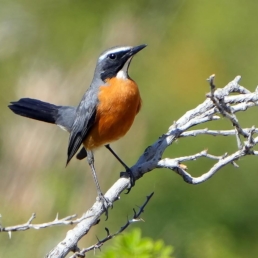
An adventure for the Zarudny Sparrow
A birding expedition in Turkmenistan
An adventure for the Zarudny Sparrow
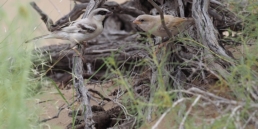
We are the only operator in Central Asia, in cooperation with Birdtour Asia, that has developed an expedition focused especially on finding the enigmatic and difficult-to-find Zarudniy Sparrow. The Zarudny Sparrow is primarily confined to Turkmenistan and is supposed to occur in the Karakum Desert in Uzbekistan.
Although the species has not been recorded for many years in the Karakum region, it is probably a Turkmenistan endemic these days. These little sparrows have a beautiful look with a blackish facial mask and contrasting concolourous uniform grey bodies. Our top target is confined to bare or sand-plain areas sparsely vegetated, especially Sand Acacias or White Saxaul.
Next tour
25 - 30 April 2026
Cost: $2.650 – flight not included
Single supplement: $400
Deposit: $800
Group size: Min 6 – Max 10
Availability: Spaces
Leader: Machiel Valkenburg
Upcoming tour
25 – 30 April 2027: Spaces
25 – 30 April 2028: Spaces
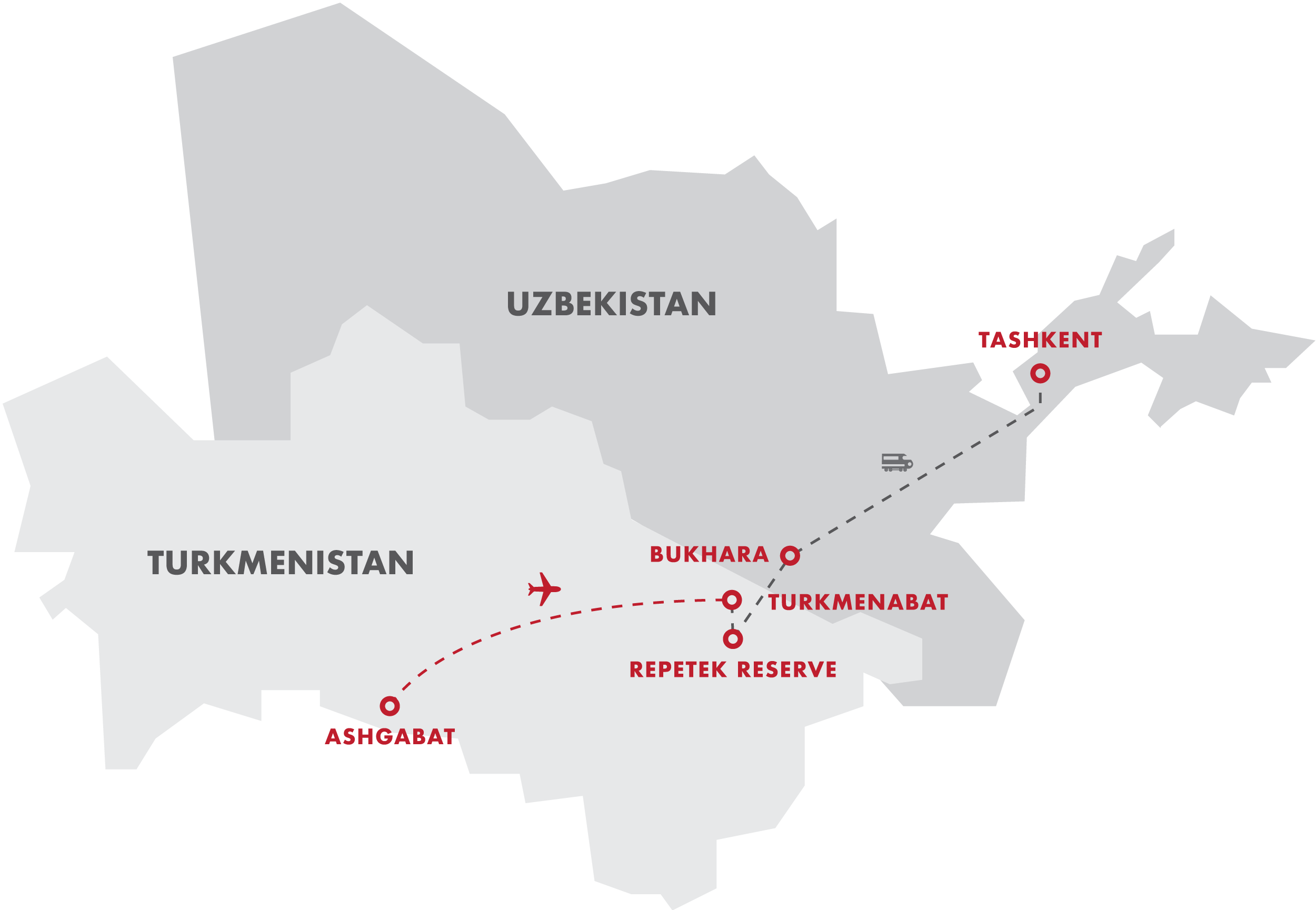
- Click on the image to enlarge
Your Central Asia itinerary
Day 1: Travel to Ashgabat
Participants should consider Turkish Airlines (a Star Alliance member airline). They are the only airline with flights into Ashgabat (airport code ASB) and out of Tashkent, with connections at Istanbul’s Atatürk Airport.
Night: On aircraft
Day 2: Arrival in Ashgabat
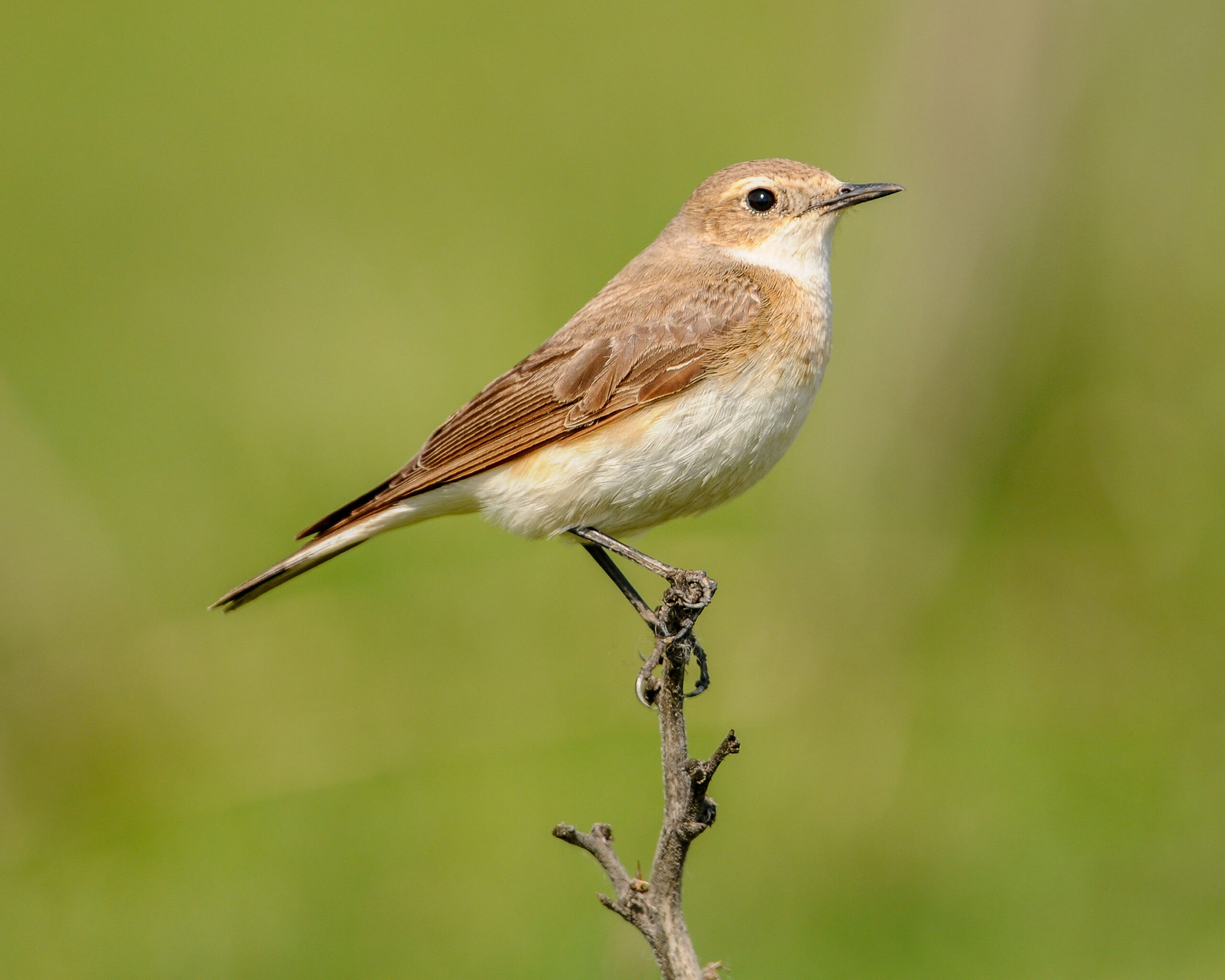
We enjoy an Ashgabat excursion and an afternoon flight to Mary Upon arrival in Ashgabat in the morning, you will be met and transferred to our hotel, where your room is reserved for immediate check-in. We will spend the morning birding around Ashgabat, where we will visit some agricultural areas, here we hope to find White-tailed Lapwing, Variable Wheatear, and Pied Bushchat. In the nearby hillsides, we have the possibility of Finsch’s Wheatear. After lunch in the city, we head for the domestic airport, where we will board our flight to Turkmenabad town, around an hour east of the capital. Upon arrival, we transfer to our hotel for a good night’s sleep.
Night: Yupek Yoly, Turkmenabad
Day 3 - 4: Birding Repetek Biosphere State Reserve
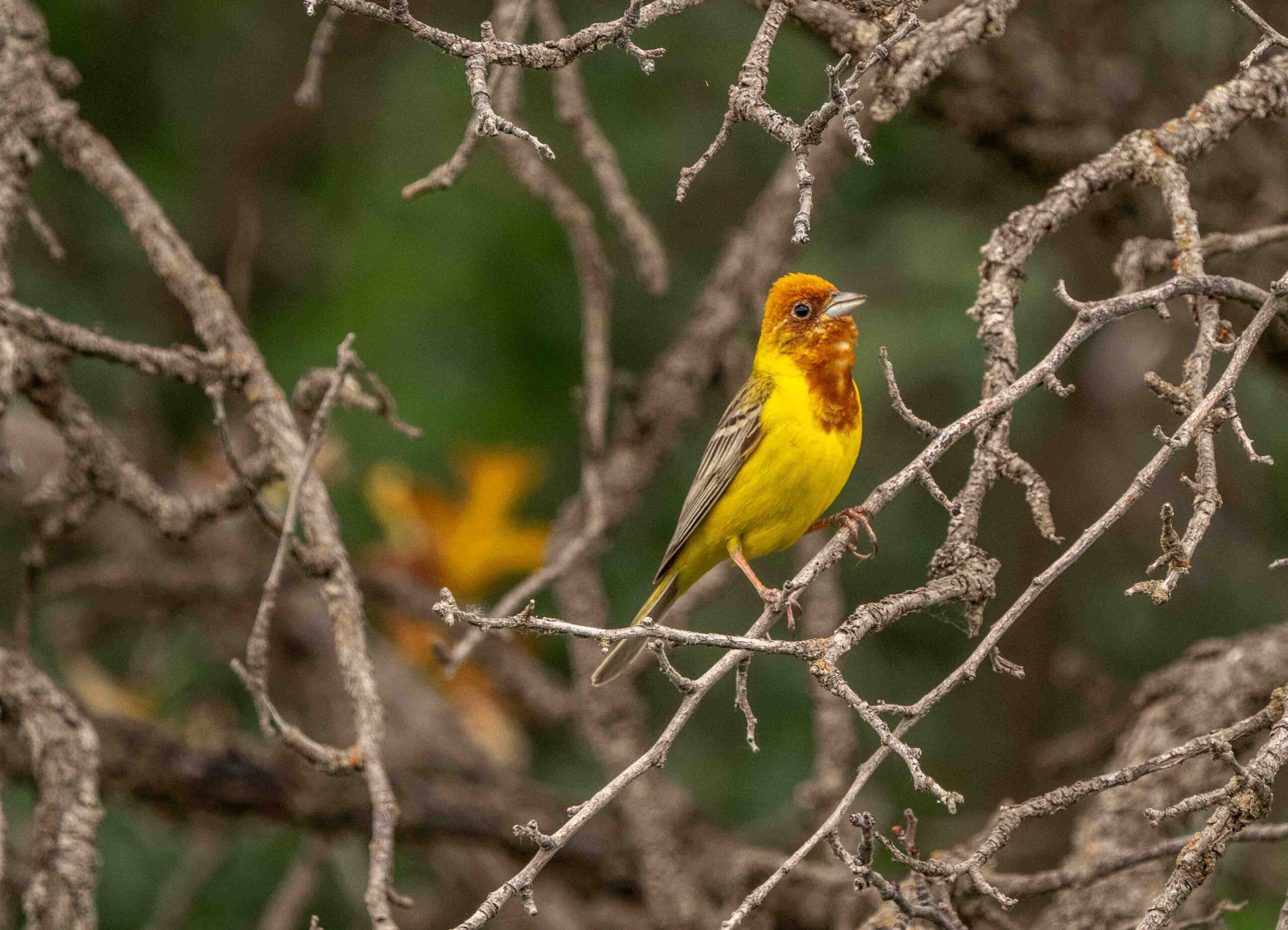
The coming two days are designated to search for the illustrious Zarudniy Sparrow which is extinct in Uzbekistan and has become a Turkmen endemic. On the first day, we will leave Mary and drive in a 4WD convoy to Turkmenabad. Here we will come across the first Pin-tailed Sandgrouse, Greater Sand Plover, and Red-headed Buntings. Trumpeter Finch of the race ‘crassirostris’ is pretty common, just like many species of lark. Other birds include the Asian Desert Warbler, Menetries’s’ Warbler and Streaked Scrub Warbler. The highly desirable Pander’s Ground-Jay is the final major target we hope to find. At dusk, we might try to find the rare Egyptian Nightjar. Both days we will be dedicated to searching for this enigmatic sparrow!
Night: Yupek Yoly, Turkmenabad
Day 5: Repetek to Tashkent
Today will be mostly a travel day. We leave Turkmenabad and head for the Uzbek border. After entering Uzbekistan, we set sails for Bukhara, wherein the late evening, we will board our domestic high-speed train to Tashkent. We will have a few hours to kill! We will spend them with a guided tour, along the many historical sights of this unique UNESCO World Heritage city. We end this tour with a special Uzbek meal, regarded as the best cuisine in the region by many.
Night: Navruz Hotel, Tashkent
Day 6: Departure for Home
A transfer will be provided very early this morning to Tashkent International Airport (airport code TAS), in time for the Turkish Airlines flight to Istanbul.
Tour information
Focus
- Exclusive Bird
- Zarudniy Sparrow
Group size
Min 6 - Max 10
The group will be led by one birding leader and one culture guide at all times.
What's included in the Price?
All transport. All accommodations in twin rooming or tented camp. All meals. All permits and national park entrances. Please note: Drinks, tips, possible visas and items of a personal nature including travel insurance, are not included.
Accomodation
During this short expedition we use comfortable tourist hotels in Bukhara and Turkmenabad. While for the night camping in Repetek we have a simple but adequate tented camp with shared shower and toilet tents.
Difficulty
We will at times have to travel long distances, some on poor or unpaved roads—but the journeys help emphasize the vastness and adventure. Throughout we us rugged four-wheel drive vehicles. Walking for these tours is mostly easy to moderate; we are mostly walking short distances on flat terrain or downhill.
Flights
International flights are not included in the pricing. Please connect with the RBT office to find out your best connection to Tajikistan.
Clothing - What to pack?
This trip is a wonderful opportunity to experience a bit of everything! You’ll need light, easily washable, quick-drying clothes, along with sunglasses and a sun hat for protection against the hot steppe and desert. Don’t forget to pack some lightweight yet warm layered clothing for the early mornings. A light waterproof jacket is also advisable.
For footwear, opt for light but sturdy walking boots that can handle various terrains, and it’s best to avoid shorts for sun protection, as the region is conservative. In the cities, however, people tend to dress more “modern” in light Western clothing. You’ll find 24-hour laundry services available at hotels in Bukhara.
Additionally, consider bringing a pair of comfortable sneakers for long travel days, especially when we visit the enchanting mausoleums and madrassas along the Silk Road.
For your convenience, 24-hour laundry services are available at hotels in larger towns such as Dushanbe and the Pamir Mountains.
Repetek Biostate Reserve
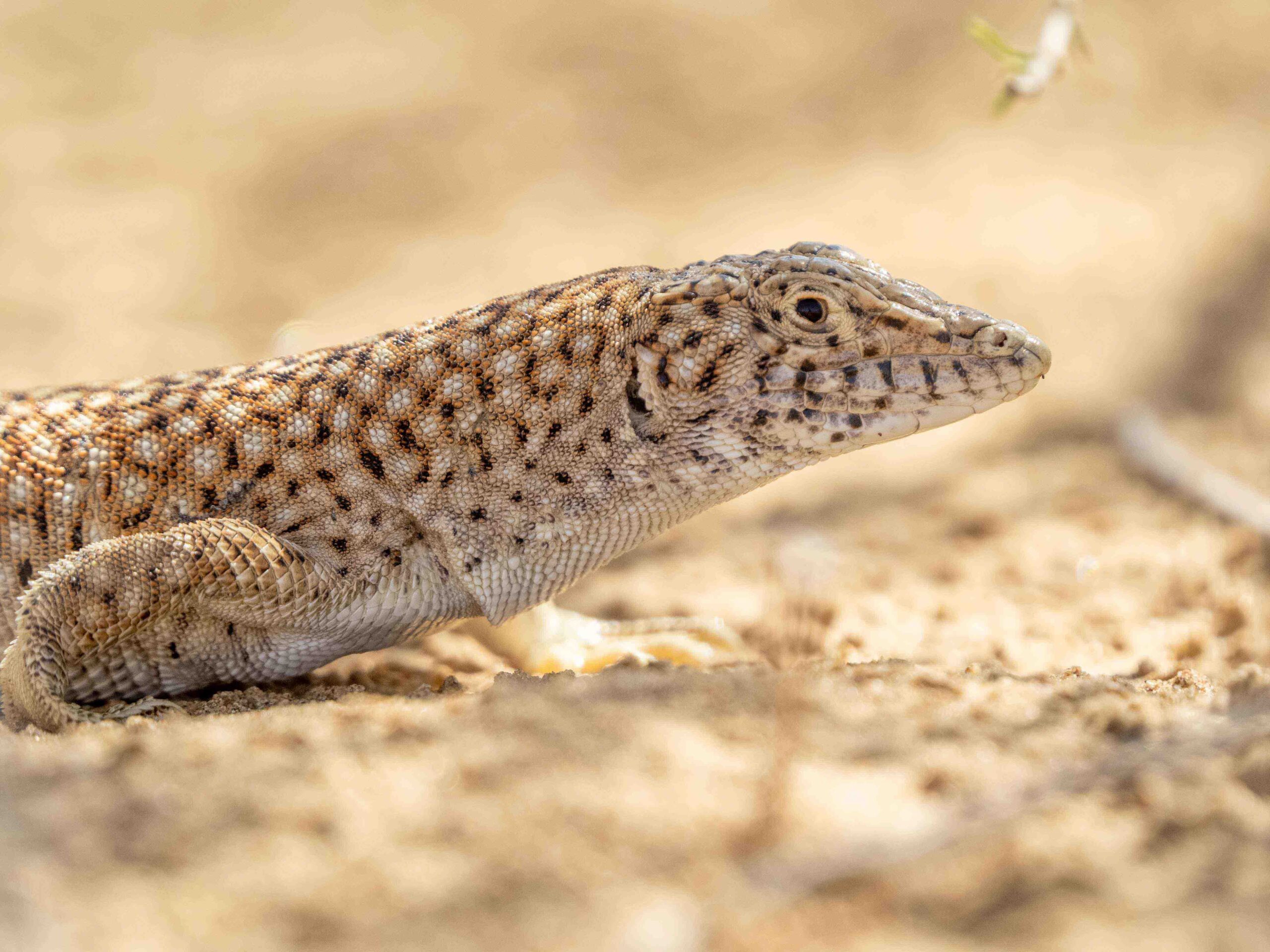
We explore the sand-plain areas of Repetek Biosphere State Reserve for two full days, often referred to as Repetek Desert Reserve. In this IBA (Important Bird Area), we are searching for Zarudny Sparrow and other desert specialities like Pander’s Ground Jay and the local race of Trumpeter Finch. Here also, the Caspian Monitor Lizard occurs, and we hope to locate a few individuals during our visit to this unique Central Asian habitat.
During our time in Repetek Desert Reserve, we stay in a rustic hotel near the entry of the reserve. From here we make drives into the sandy dunes targeting the sparrow. Trusted Landcruisers provide sturdy and comfortable companions in these extreme conditions.

A birding expedition into the Pamir Mountains
A Large-billed Reed Warbler adventure
A birding expedition into the Pamir Mountains
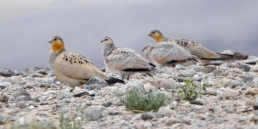
Join us on an exciting new adventure as we introduce a captivating addition to our diverse array of Central Asian tours – the bird-rich land of Tajikistan!
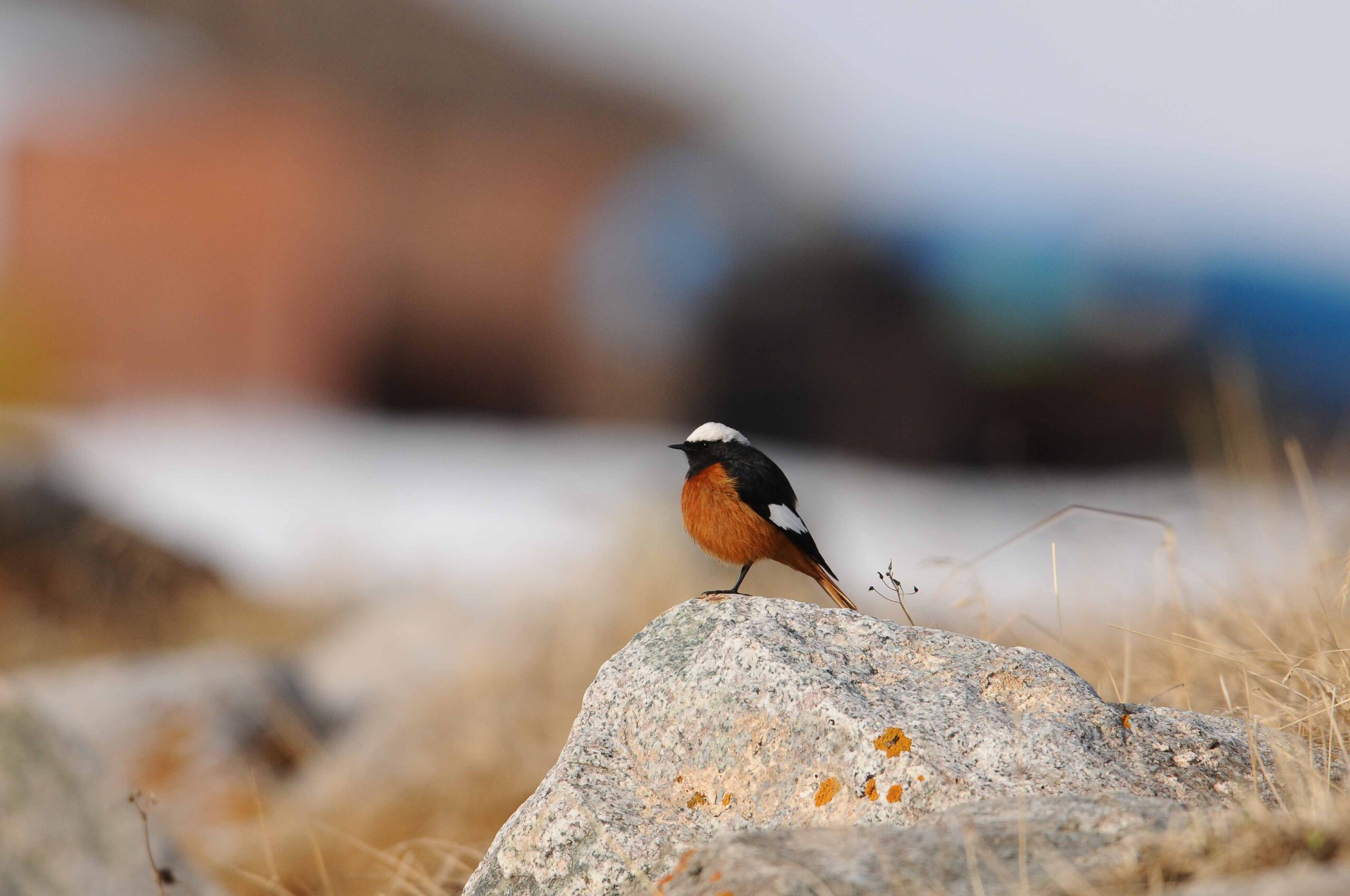
Nestled in the heart of Central Asia, Tajikistan beckons nature enthusiasts with its breathtaking mountain ranges, expansive deserts, and pristine lakes. Birding tours in Tajikistan unlock the treasures of its avian world, where over 330 bird species await discovery. Among these, the highly coveted Tibetan snowcock and Tibetan Sandgrouse reign as crown jewels, making Tajikistan a haven for avid birders. The Pamir Mountains, often referred to as the “Roof of the World,” cradle an array of unique bird species, including the Guldenstadt’s Redstart, Wallcreeper, and Himalayan Griffon.
Our dedicated focus extends to the quest for the elusive and recently unearthed Large-billed Warbler, a true highlight for birding enthusiasts in Tajikistan. This enigmatic species finds its refuge in the enchanting Wakhan Corridor, and our tours, especially during the month of June, offer a promising opportunity for sightings.
Tajikistan’s untamed beauty and remarkable avian diversity promise an unforgettable expedition for bird lovers and adventurers alike. Whether you’re a seasoned birder or new to the world of avian exploration, Tajikistan’s allure will leave you captivated. Join us as we embark on a journey to uncover the hidden avian treasures of this Central Asian gem.
Next tour
4 - 18 June 2025
Cost: $3.200 – flights not included
Single supplement: $400
Deposit: $600
Group size: Min 6 – Max 10
Availability: Spaces
Leader: Machiel Valkenburg
Upcoming tour
5 – 17 June 2026: Spaces
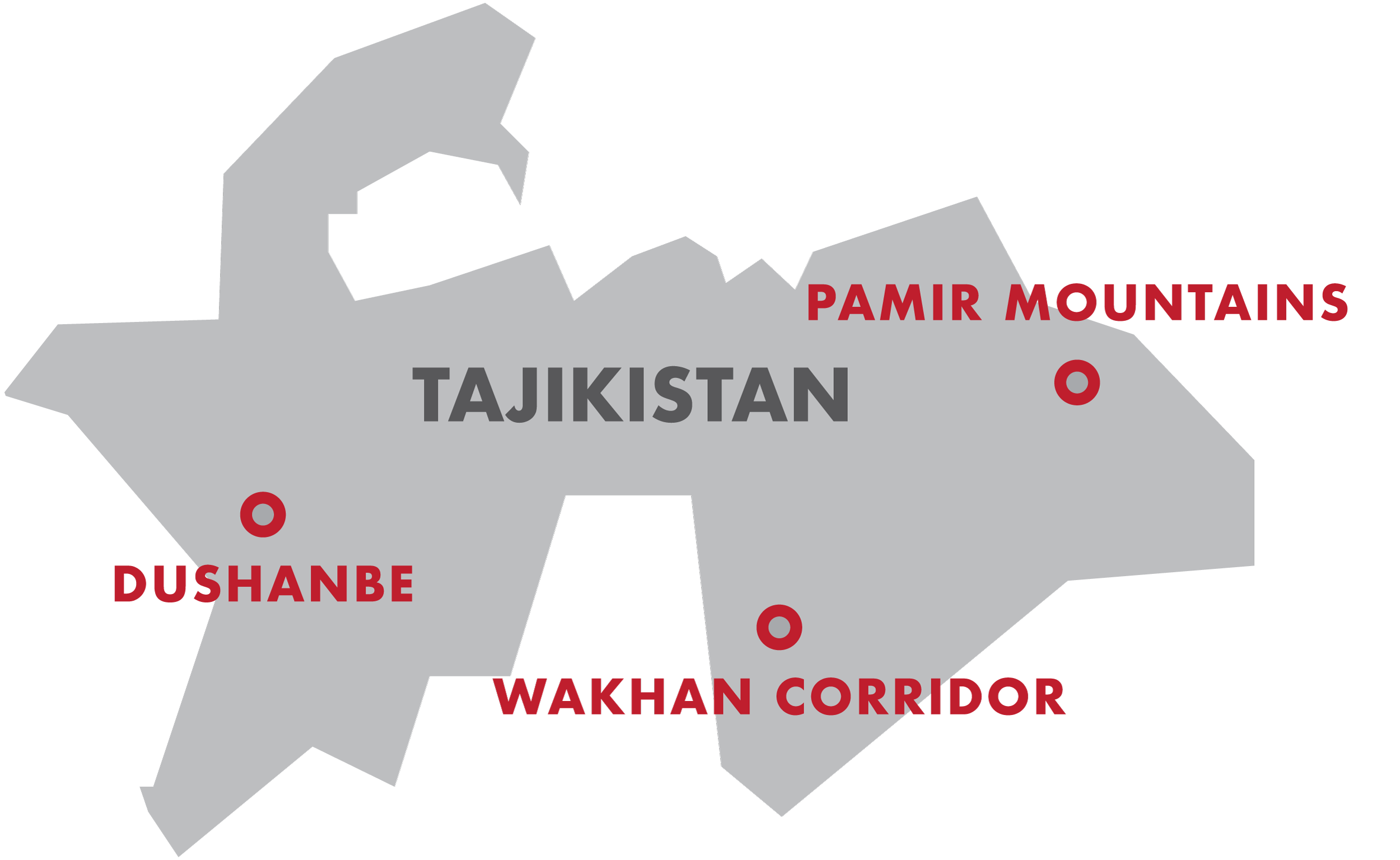
- Click on the image to enlarge
Your Tajikistan itinerary
Day 1 - 2: Depart for Dushanbe & Visit botanical garden
Depart Europe or the USA, connecting with flights into Tajikistan arriving in the late evening or early night. Upon arrival in Dushanbe and after clearing customs and immigration, we will transfer to our hotel, a comfortable hotel in the centre of the old town of this historic city. We enjoy a rest until noon. In the afternoon we visit the botanical gardens to get acquainted with the common birds of the city like the Rufous-naped Tit and Indian Golden Oriole.
Night day 1: On aircraft
Night day 2: Comfortable tourism hotel, Dushanbe
Day 3: Dushanbe to Baljuvan
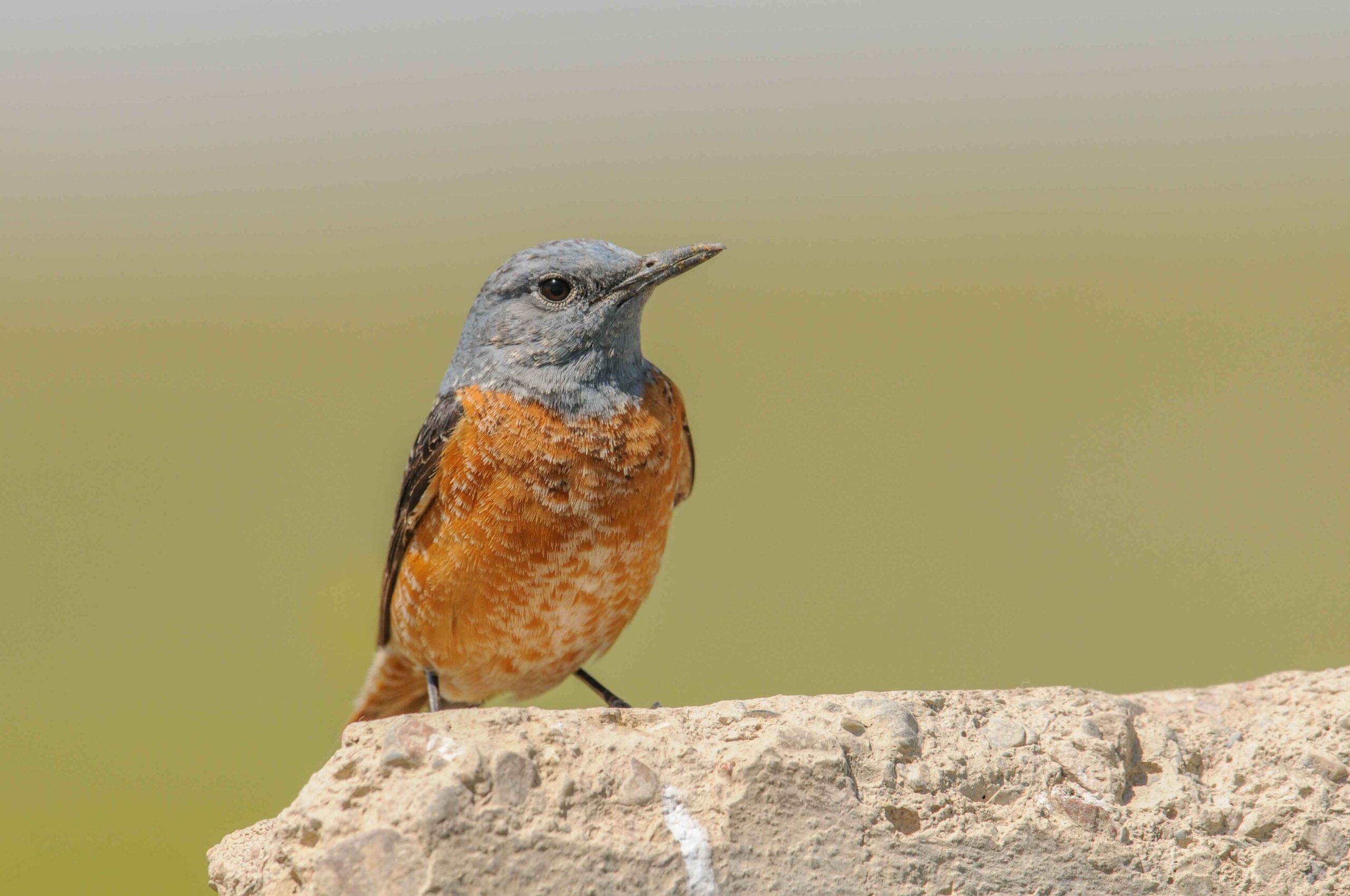
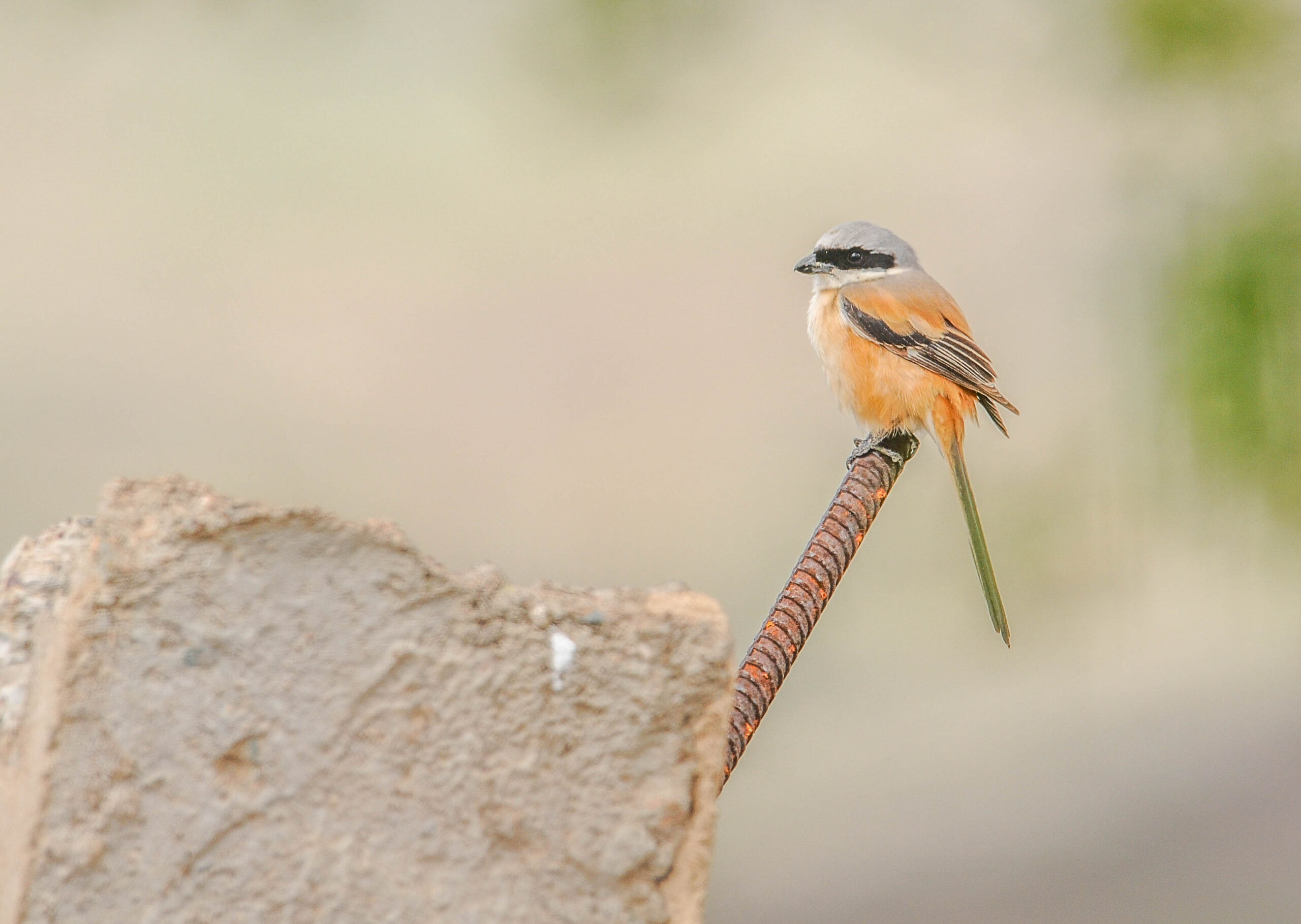
In the morning we drive to Baljuvan, to a protected concession. Along the route we stop near Norak for some birding, here we hope to connect with Little Swift, Clamorous Reed Warbler and Moorhen. A regional rarity. We arrive at the concession camp at lunch. After arrival, we will have lunch and a small break during the heat of the day. In the evening we will drive along the ridge to find White-throated Robin, other birds will include Common Nightingale, Streaked Laughingthrush, Hume’s Whitethroat, Eastern Orphean Warbler, Common Rock Thrush, Eurasian and Cinereous Vultures, Booted Eagle, Mistle thrush, Long-tailed Shrike, Turkestan Shrike etc.
Night: Concession Camp.
Day 4: Markhor area
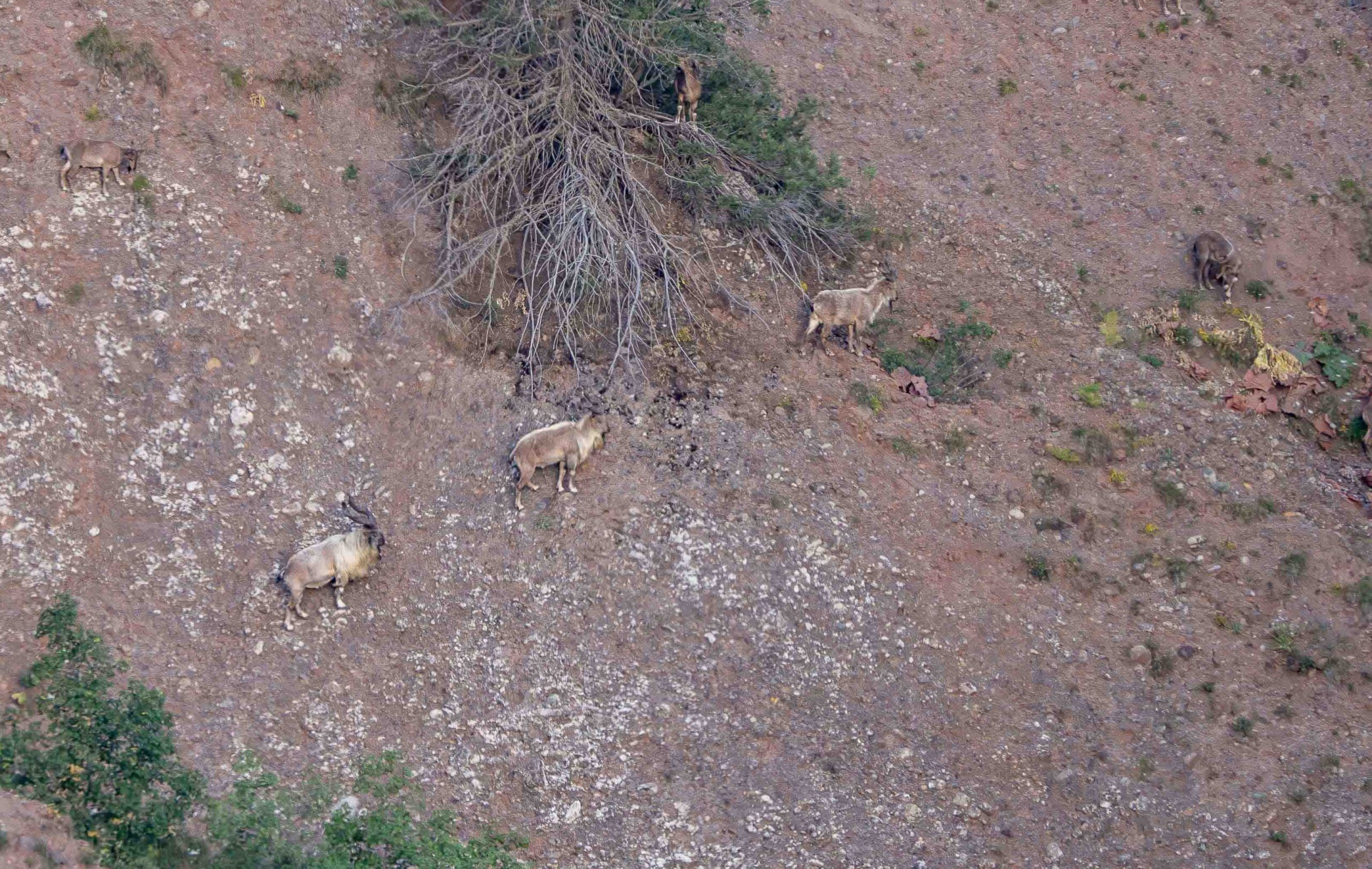
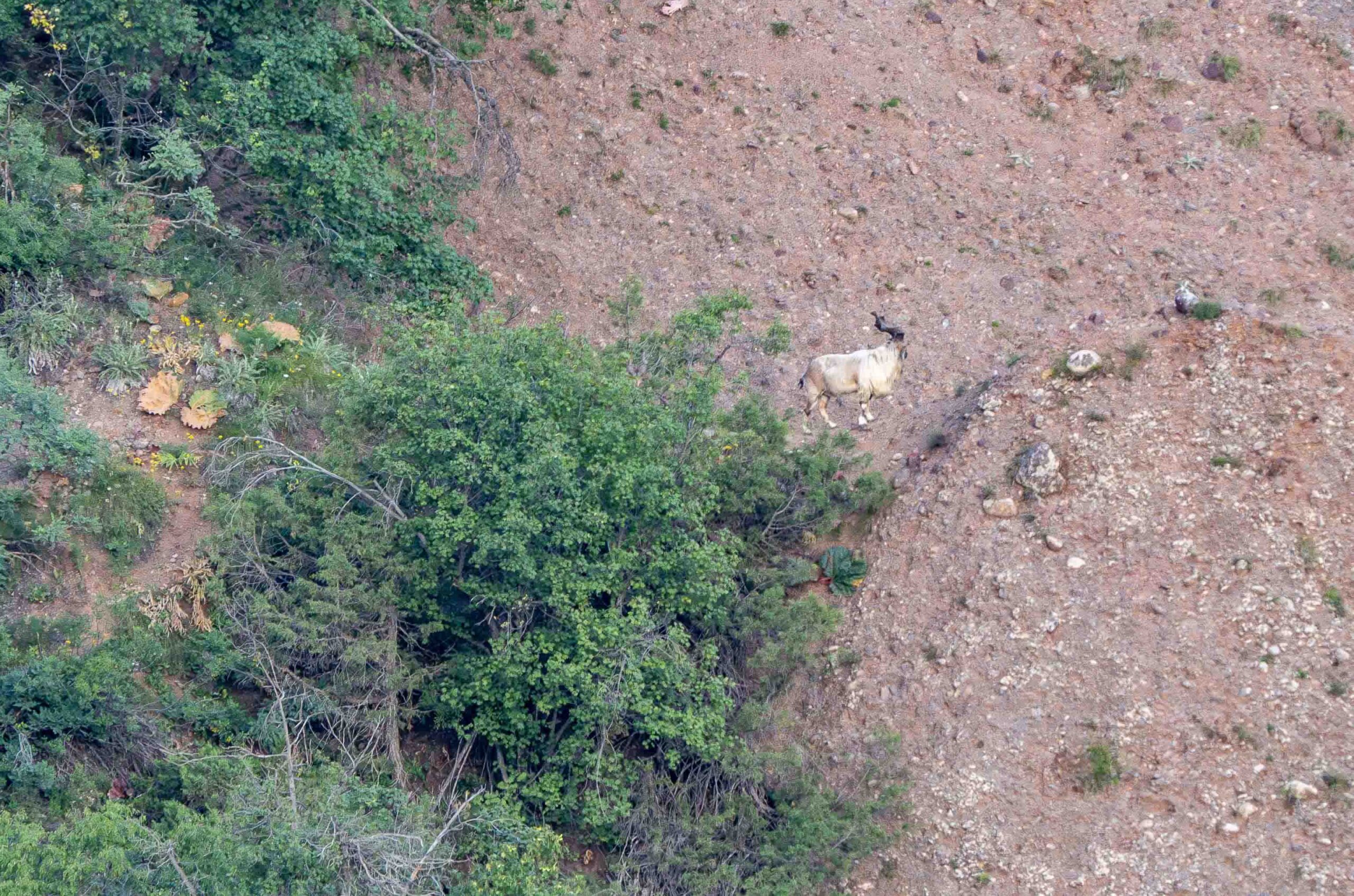
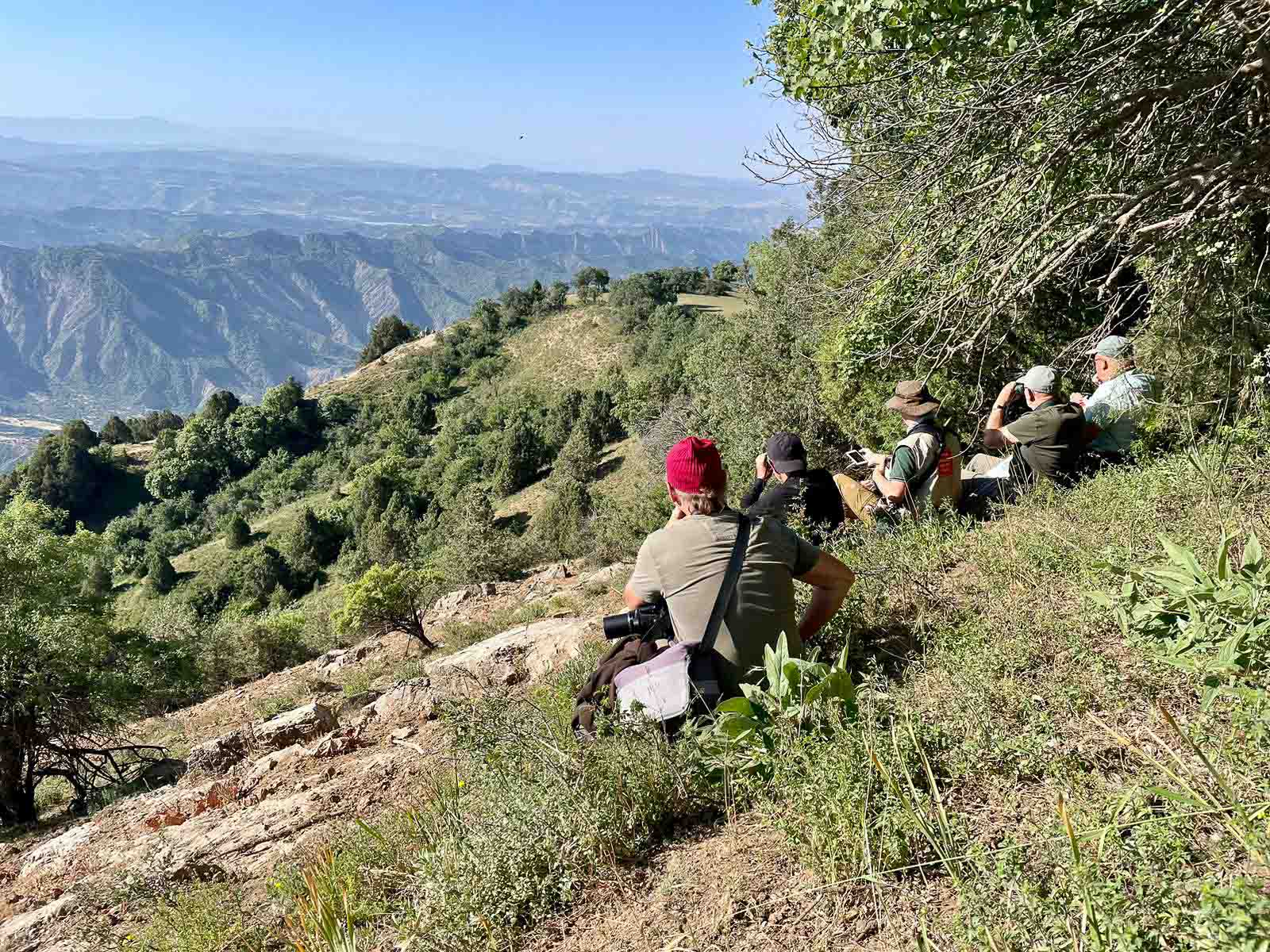
During this venture in Tajikistan, we will be mainly on the move to find our targets. Today we make an excursion into the nearby mountains to find the rare and endangered Tajik Markhor. A species of rare goat distributed only in Tajikistan, an endemic. The hike will be in a gorgeous site, surrounded by dry hills and mountains ideal for Gray-necked Bunting, Red-headed Bunting and Rock Buntings. While along the river dapper Little Forktail forage together with White-capped Redstarts.
Night: Tented camp near Markhor area
Day 5: Markhor area to Kalao Khump
In the morning we will try to get closer to Markhors to get better photos. Later we will hike back to the cars and drive to Kalai Khumb town in Darvaz. Several stops en-route for birding. Eastern rock Nuthatch, Blue rock thrush, Variable wheatear, Indian Paradise Flycatcher, possibly See See partridge, Himalayan and Eurasian Griffon and others.
Night: Local guesthouse
Day 6 - 10: Birding the eastern Pamir Mountains
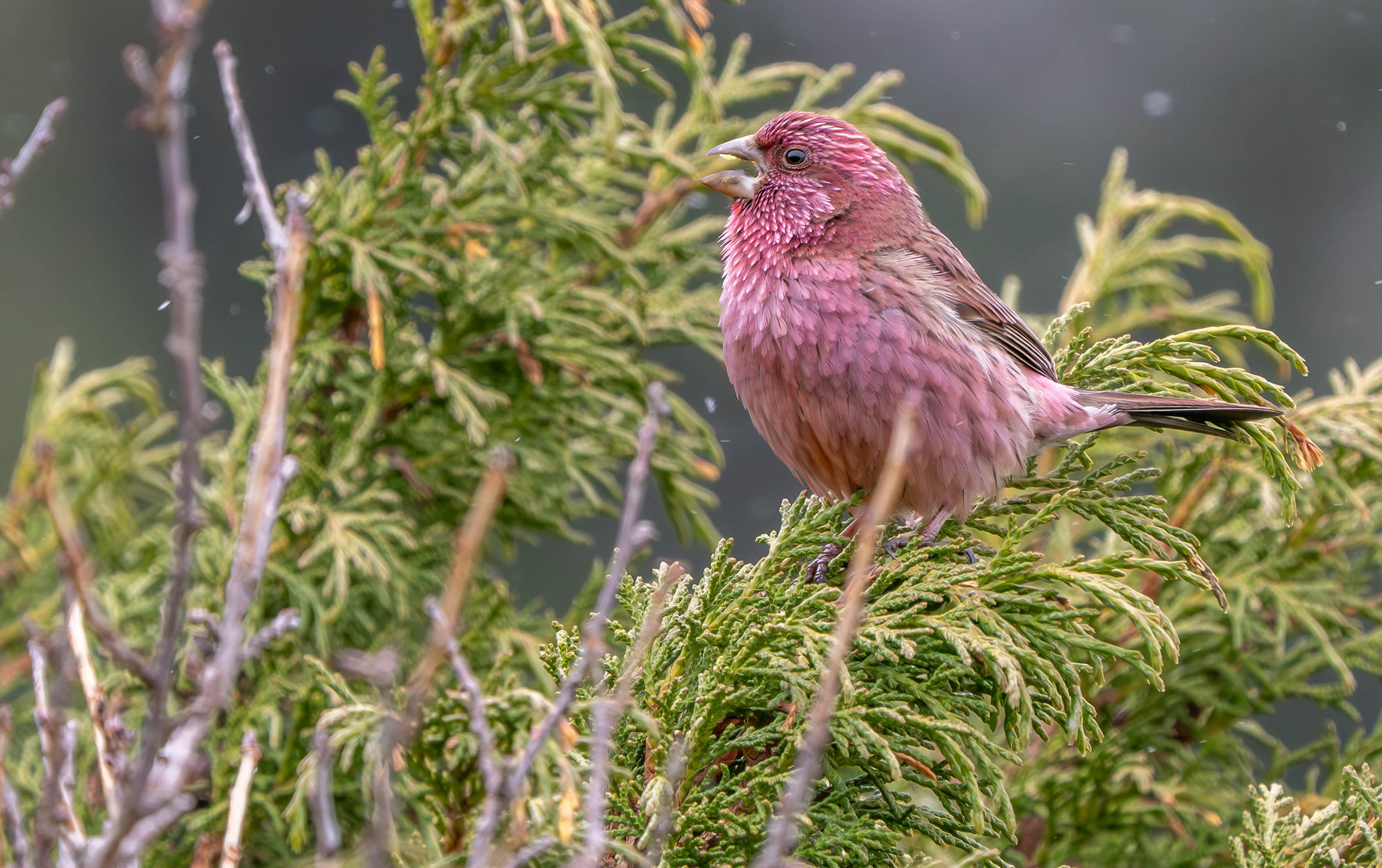
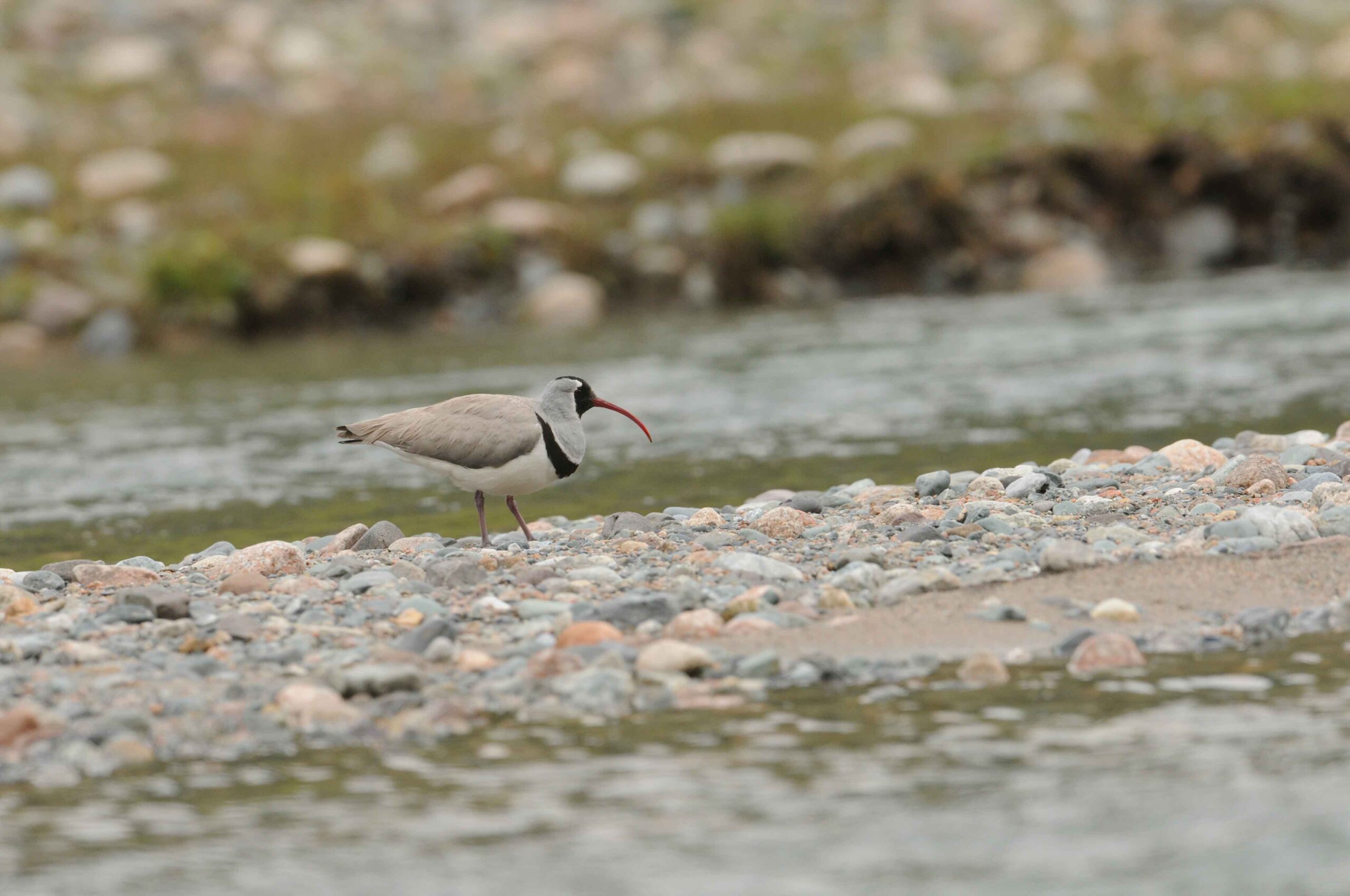
The coming five days are spent finding the few breeding Large-billed Reed Warbler and the several high-altitude species the Pamirs are rich in. The Large-billed Reed Warbler species is known from only a few trapped specimens in India and Thailand, the population size is unknown but seems very small. Alongside we hope to find the Asian Crimson-winged Finch, Citrine Wagtail and the fantastic Ibisbill. Another top bird is the Spotted Great Rosefinch which occurs on higher levels. We will do our best to find this species on the surrounding mountain passes.
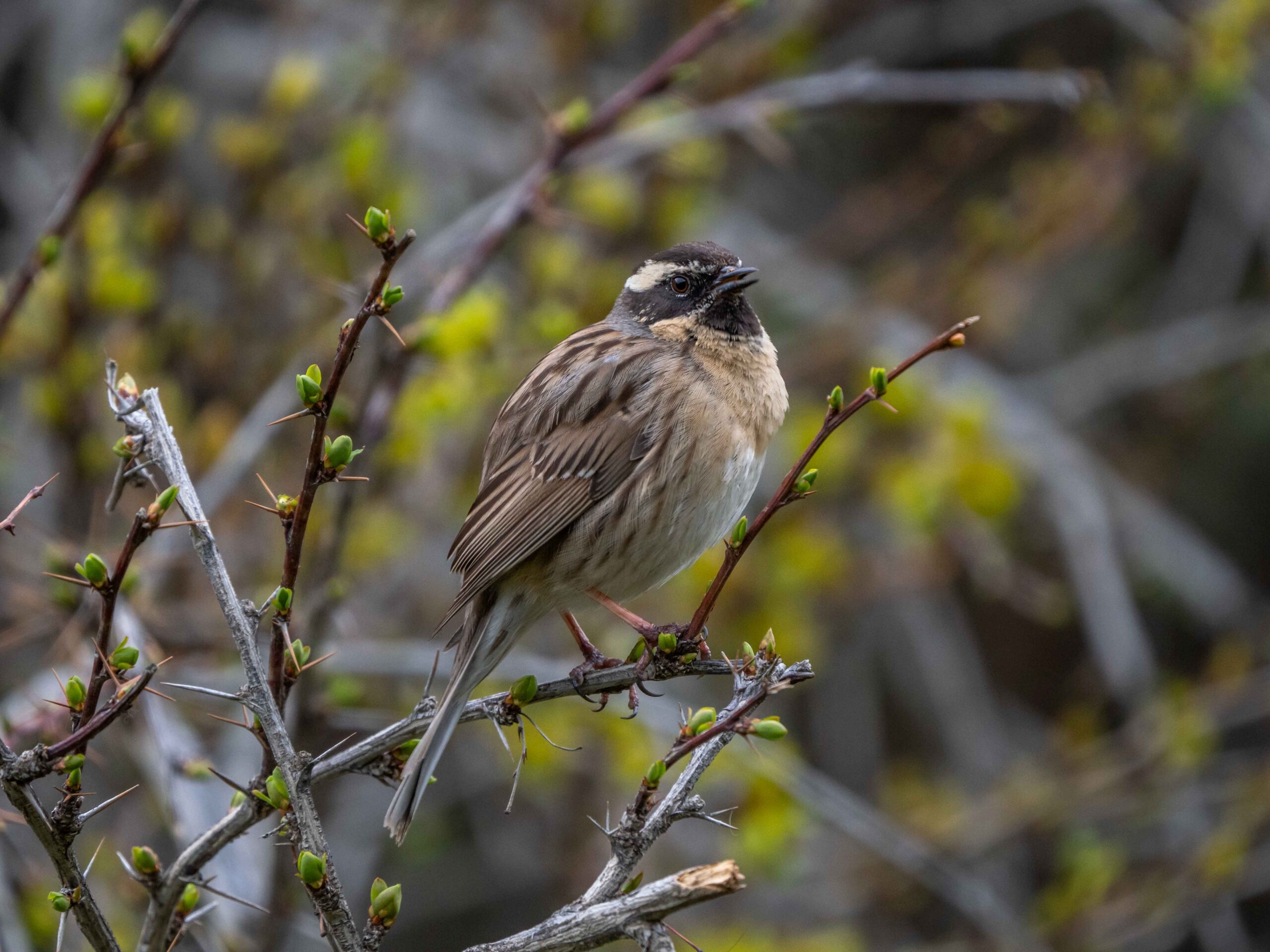
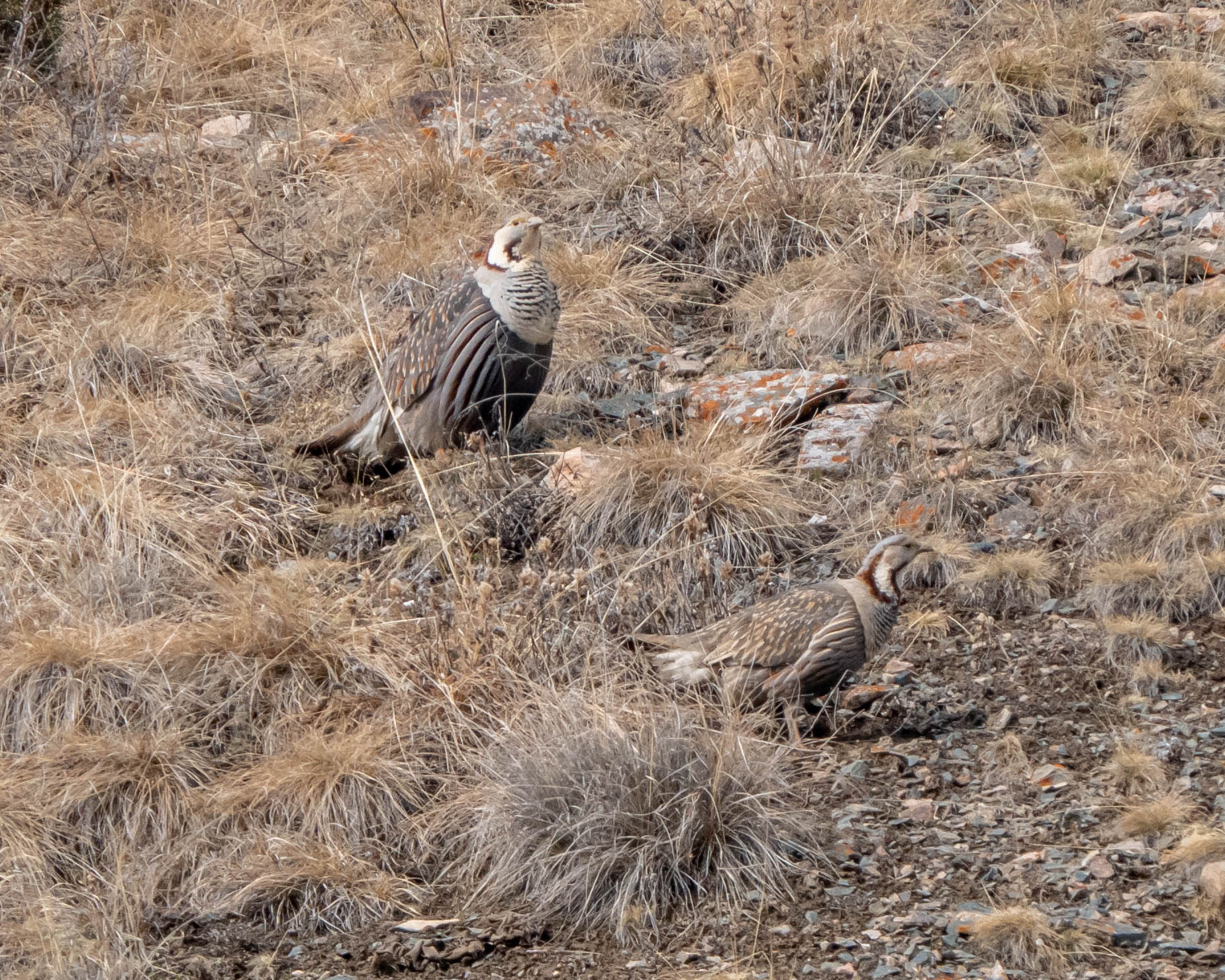
After a lot of bumpy roads, we finally reached the eastern side of the Pamir Mountains. Here we are surrounded by peaks of +20.000 feet—an ideal habitat for some scarce species. On several occasions, we reach almost 15.000 feet! In this fantastic terrain, we search for a wide range of high-mountain species: Tickell’s Thrush, Himalayan Snowcock, Himalayan Griffon, Bar-headed Goose, Brown-headed Gull, White-winged Redstart, Brown Accentor, Altai Accentor, Red- mantled Rosefinch, Blyth’s Rosefinch, more Spotted Great Rosefinch, and Black-headed Mountain-Finch. We spend time on some typical high-mountain deserts where Tibetan Sandgrouse is the highest price here. We also find Desert Wheatear, Mongolian Finch, and White-winged Snowfinch. This is also the very best spot to find Snow Leopard, Brown Bear, Marco Polo Argali, Lynx and Wolves. The very rare Tibetan Snowcock would be the final crown on the days of birding in this region.
Alongside the many beautiful birds that we will encounter, the landscapes and variety of the area plus the very welcoming and friendly people will make our trip unforgettable.
Night: Local guesthouse
Day 11: Return to Dushanbe
After several splendid days on the eastern side of the Pamirs, we return the long road to the capital Dushanbe before starting our Uzbekistan adventure. We will focus mainly on the birds we might have missed in the previous days during the route back. We will be able to re-route if needed to complete our target list. For example, in Shurabad, we search again for See-See Partridge to make sure we bag this gorgeous partridge.
Night: Comfortable tourism hotel, Dushanbe
Day 12: Departure for Home
A transfer will be provided very early this morning to Dushanbe International Airport (airport code DYU), in time for the Turkish Airlines flight to Istanbul, currently scheduled to depart at 6:00 a.m.
Tour information
Focus
- Exclusive birds
- Himalayan Mammals
- Exquisite landscapes
Group size
Min 6 - Max 10
The group will be always led by one birding leader and one culture guide.
What's included in the Price?
All transport. All accommodations in twin rooming. All meals. All permits and national park entrances. Please note: Drinks, tips, possible visas and items of a personal nature including travel insurance, are not included.
Accomodation
Throughout our journey in Tajikistan, we will primarily travel off the beaten track. While Tajikistan is known for its stunning mountains, rich culture, and hospitable people, its tourism infrastructure is still developing. In Dushanbe, we will stay in a comfortable tourist hotel with private facilities. As we explore the Pamir Mountains, our accommodations will consist of several basic lodgings and homestays, typically offering simple, clean rooms with basic amenities, including shared bathrooms and WCs.
When focusing on the Markhor, we will camp for one night near the site. Tents will be shared, and we will provide a toilet tent for convenience. Please note that washing facilities during the camping experience are basic, so it’s essential to bring along a suitable warm sleeping bag; we will provide a quality sleeping pad for your comfort.
Difficulty
We will occasionally travel long distances, some of which may involve poor or unpaved roads. However, these journeys emphasize the vastness and adventure of Tajikistan. Transportation will be provided in rugged 4WD vehicles, ensuring reliability across various terrains.
Walking during these tours is primarily easy to moderate, even in the high elevations of the Pamir Mountains. Most of our walks will cover short distances on flat terrain or downhill. However, when we hike early in the morning for the Markhor, we will embark on a more intensive uphill trek lasting about three hours. For your convenience, we have horses available to assist with the final stretch or to carry some of your photo equipment.
Flights
International flights are not included in the pricing. Please connect with the RBT office to find out your best connection to Tajikistan.
Clothing - What to pack?
Our expedition to Tajikistan is one of those trips where a versatile packing strategy is essential! Lightweight, easily washable, and quick-drying clothes are perfect for the hot steppe and desert regions. However, you should also pack some lightweight yet very warm layered clothing for the higher altitudes, which can reach up to 10,000 feet. This should include a warm hat, fleece, and light gloves. A light waterproof jacket is also recommended to protect against unexpected rain.
When it comes to footwear, light but sturdy walking boots will cover all eventualities. It’s advisable to avoid wearing shorts for sun protection, as the region is conservative. However, in the cities, people tend to dress in a modern manner and often wear lightweight Western clothing.
For your convenience, 24-hour laundry services are available at hotels in larger towns such as Dushanbe and the Pamir Mountains.
Traveling in Tajikistan
Tajikistan is a country that’s becoming increasingly popular among nature and adventure travellers, and for a good reason. With a landscape that the Pamir Mountains dominate, this Central Asian country is a paradise for nature lovers and outdoor enthusiasts alike.
One of the unique experiences that Tajikistan has to offer is the Wakhan Corridor, a narrow strip of land that extends from Afghanistan into Tajikistan. The area is home to several remote villages, ancient fortresses, and hot springs. It is an excellent place for photography and nature enthusiasts to capture the essence of Central Asian culture.
In summary, Tajikistan is ideal for nature travel and photography aficionados. With its rugged mountain landscapes, stunning national parks, and unique cultural experiences, it’s a destination that should be on every nature and photography enthusiast’s bucket list.

An adventurous expedition for Snow Leopard & Pallas’s Cat
Mammal Quest
An adventurous expedition for Snow Leopard & Pallas’s Cat
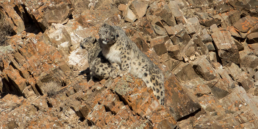
Mongolia – the name alone conjures up images of nomadic warriors on horseback roaming the endless deserts and steppe. Once the world’s largest contiguous land empire, originating in Mongolia, these same warriors controlled a region stretching from Eastern Europe to the Sea of Japan. Currently, Mongolia is a landlocked country between Russia and China with a population of only three million citizens – it is the most sparsely populated country on the planet. This fact makes it ideal for wildlife enthusiasts and birdwatchers worldwide as wildlife is grand and omnipresent.
Our primary purpose for this tour is to find two of the most elusive cats on the planet, the Pallas’s Cat and Snow Leopard. Combined with lots of other magnificent mammals, like the Przewalski’s Horse and a superb avifauna during peak migration time, this is the holiday of a lifetime.
Next tour
*No scheduled departure*
Cost: $6.000 – domestic flights included
Single supplement: $500
Deposit: $1000
Group size: Min 6 – Max 10
Best time: June – October
Leader: Machiel Valkenburg
Upcoming tour
Book your private tour here
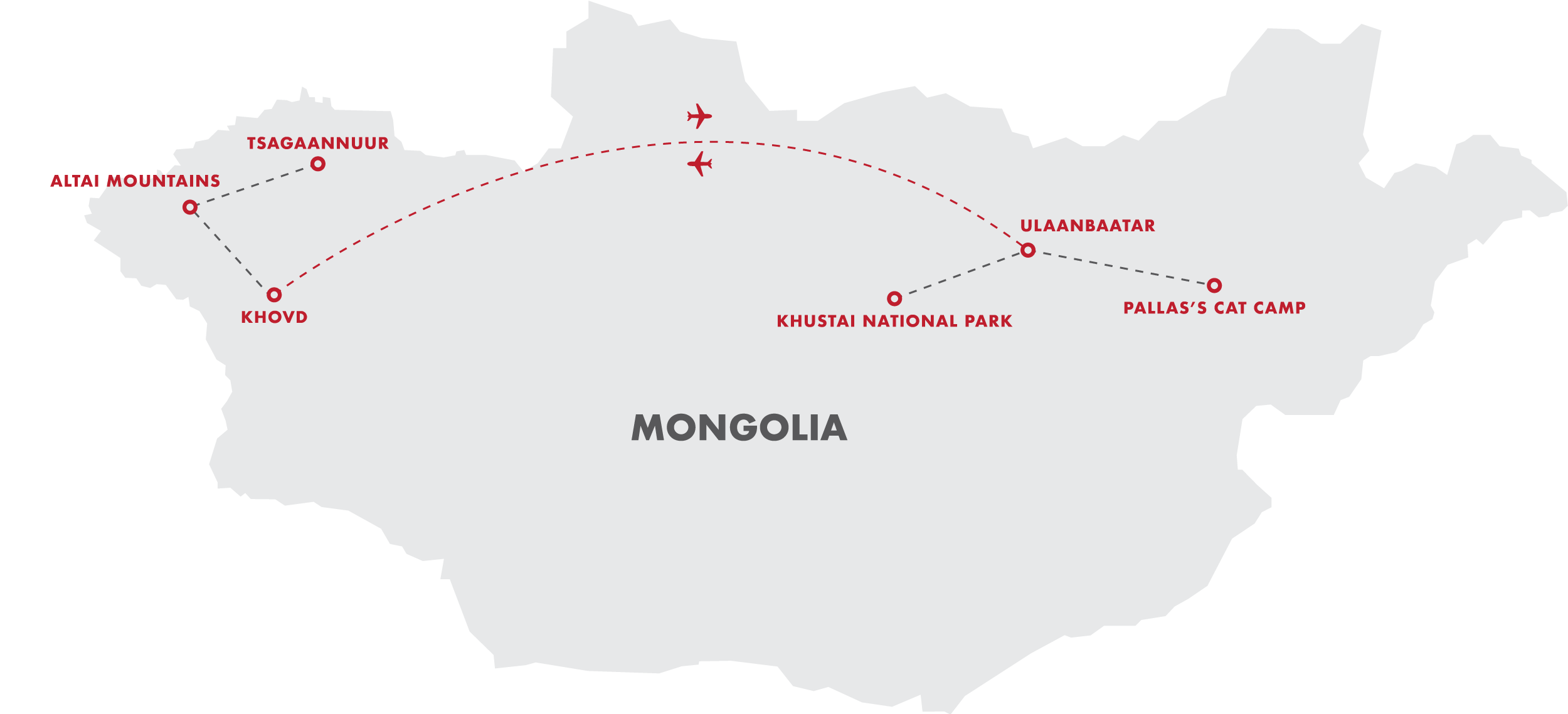
- Click on the image to enlarge
Your Mongolia itinerary
Pre-tour: Pallas's cat
Day 1: To Ulaanbaatar
The tour starts with an international flight from Europe/USA taking you to the capital of Mongolia, Ulaanbaatar. For those who wish to arrive early, please contact the RBT office and we will gladly help you with extra hotel arrangements.
Night: On aircraft
Day 2: Arrival into Mongolia
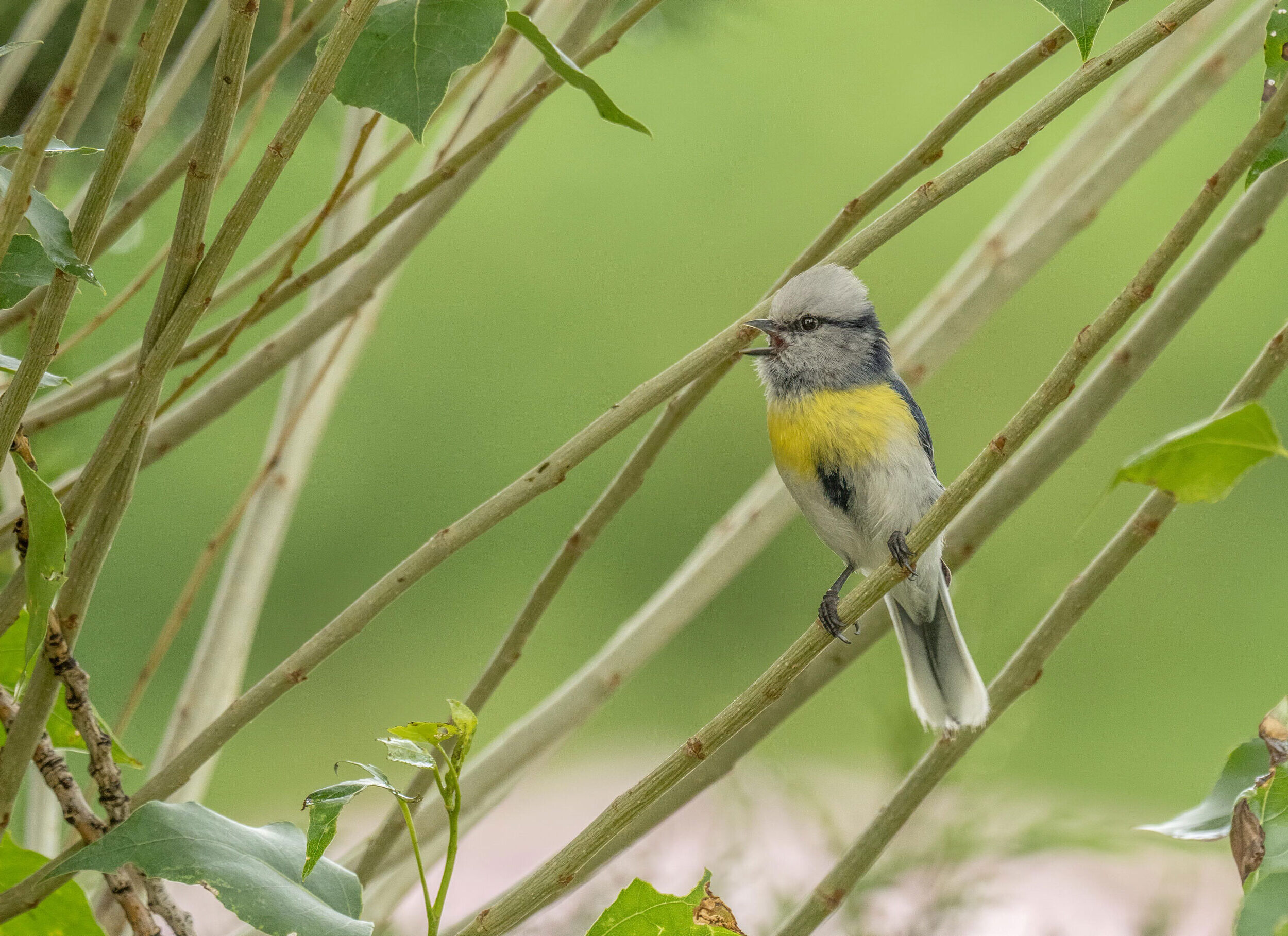
Arrival in Ulaanbaatar, followed by a transfer to the hotel where you have the option to relax or partake in a sightseeing tour of this ancient capital. Some of the first birds we will encounter in the local parks are Azure Tit, White-cheeked Starling and Long-tailed Rosefinch. The statue of Buddha in the centre of the city, together with the Sukhbataar Square are both impressive local landmarks. In the evening we will come together at 1800 for an introductory meeting held by your leader. Here we will meet up and discuss the latest information on weather, locations and birds/mammals.
Night: Comfortable tourist hotel in Ulaanbataar
Day 3: Transfer to camp in Eastern Mongolia
The tour begins this morning with a long drive (500 km) to our Ger Camp in eastern Mongolia. Along the way, we will make several stops to stretch our legs and to find some unique birds such as Mongolian Lark and Pallas’s Sandgrouse. Mongolian Gazelles are also possible in this never-ending landscape. In the evening we will arrive at our traditional and well-organized Ger Camp from where we will explore the surrounding steppe. Ubiquitous birds here include Daurian Partridge, Demoiselle Crane, Oriental Turtle Dove and Eastern Yellow Wagtails. We end the day with a lovely dinner.
Nitght: Ger camp
Day 4 - 5: Exploration for Pallas’s Cat
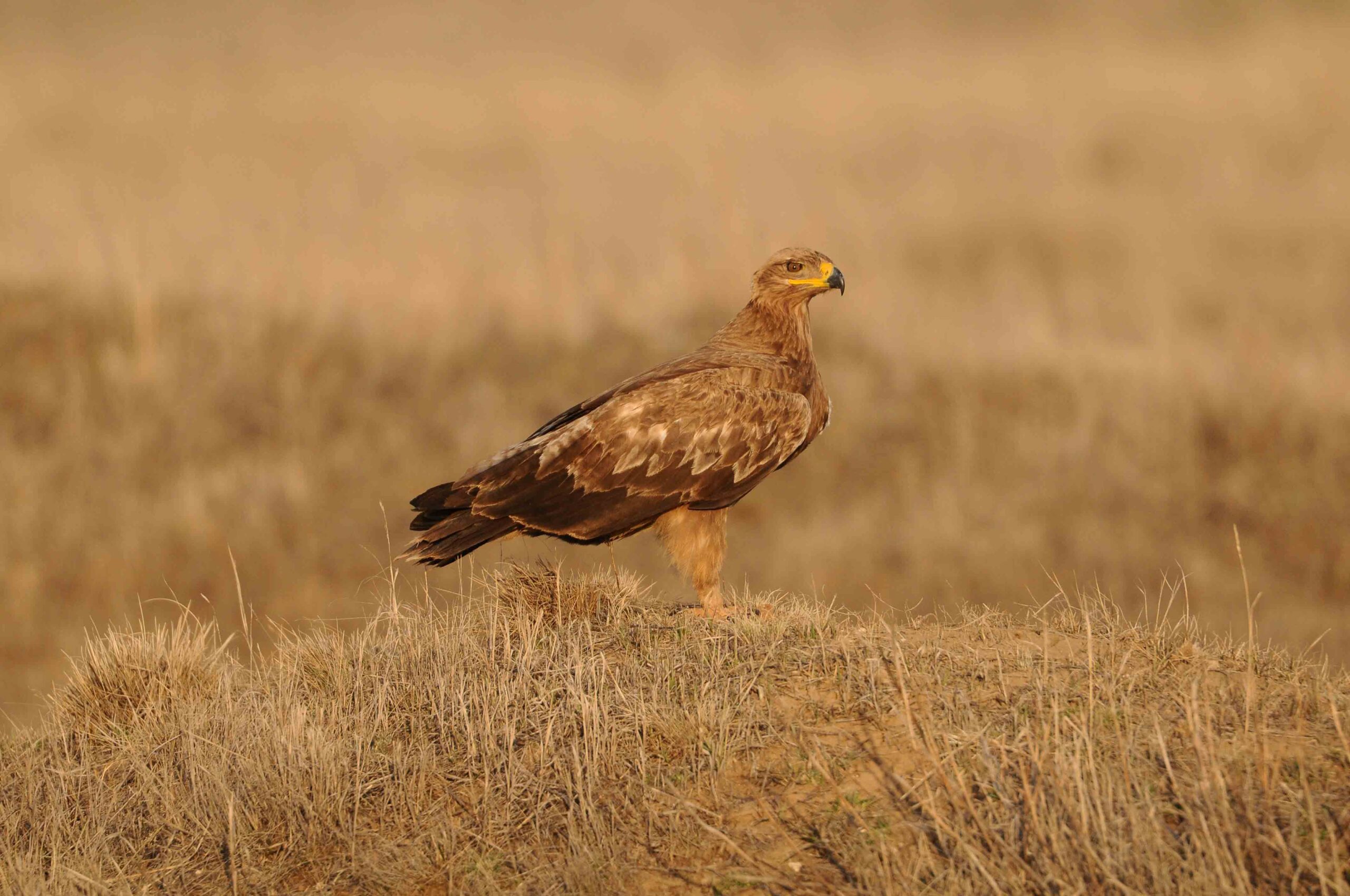
Our stay at this fascinating location is focused on finding the Pallas’s Cat. We have an excellent chance of finding this enigmatic cat as a result of staking out a den near our camp. The Pallas’s Cat, sometimes called Manul, is native to the steppe regions of Central Asia. Most of their day is spent inside of their burrow, but in the late afternoon, they emerge to start hunting. Their preferred prey items are primarily gerbils, pikas and voles. Alongside the cat, we will also search for Brandt’ Vole, Daurian Pika, Daurian ground squirrel, Mongolian Gerbil and several species of jerboa. Due to the high density of rodents on the steppe, there are good numbers of raptors, such as the Eurasian Eagle Owl and the magnificent Steppe Eagle. The handsome Mongolian Ground Jay is a good possibility, as are migratory species like the Brown Shrike and Taiga Flycatcher. We will end our days with a lovely locally cooked meal in Mongolian tradition.
Night: Ger camp
Day 6: Return to Ulaanbaatar
Primarily, it will be a transfer day as we return to Ulaanbaatar. There will be a short excursion before breakfast to enjoy the birds and this endless steppe one final time.
Night: Comfortable tourist hotel in Ulaanbaatar
Main tour: Snow Leopard
Day 1: To Ulaanbaatar
As we bird our way back to Almaty, we spend the day journeying through the breathtaking landscapes of Kazakhstan. This is primarily a transfer day, offering plenty of time to admire the scenery from the comfort of our bus. Along the way, we’ll make a stop in one of the small villages, where we might encounter Red-rumped Swallows, Indian Golden Orioles, Lesser Gray Shrikes, Long-tailed Shrikes, Greenish Warblers, and the charming Laughing Doves. By late afternoon, we’ll arrive at our excellent hotel in Almaty, where a refreshing shower will be a welcome treat after a day on the road.
Night: Comfortable tourist hotel in Almaty
Day 2: Transfer to Altai, domestic flight to Khovd
Depending on the domestic flight schedule, we will transfer to the Ulaanbaatar Airport and board our internal flight to Khovd in Western Mongolia. After arriving, we will explore the city on foot in the hope of finding some of our first birds like Black-eared Kites, Brown Accentor and Pacific Swift. In the afternoon we will drive to our Ger Camp. The Ger Camp is situated in the foothills of the gorgeous Altay Mountains, with a vast lake nearby and semi-desert stretching to the east.
Night: Ger camp
Day 3 - 8: Quest for the Snow Leopard
For the following six days, we will be exploring and scrutinizing the nearby foothills and mountains together with a group of experienced local trackers and researchers involved in the Snow Leopard project. Over the many years of researching these majestic animals, our trackers have developed an instinct for the movements of this large cat. Each day, we will drive a short distance to access different sections of the mountains. However, we will occasionally need to walk for several kilometres at high altitudes (max 3500 m) over mostly flat terrain. There will also undoubtedly be instances where we need to climb up a hillside, making some physical effort for a short period. Thanks to the experienced trackers, and their unrivalled knowledge of the terrain, we have an excellent chance of finding a Snow Leopard. Over the years we have had an 80% success rate of finding this endangered cat.
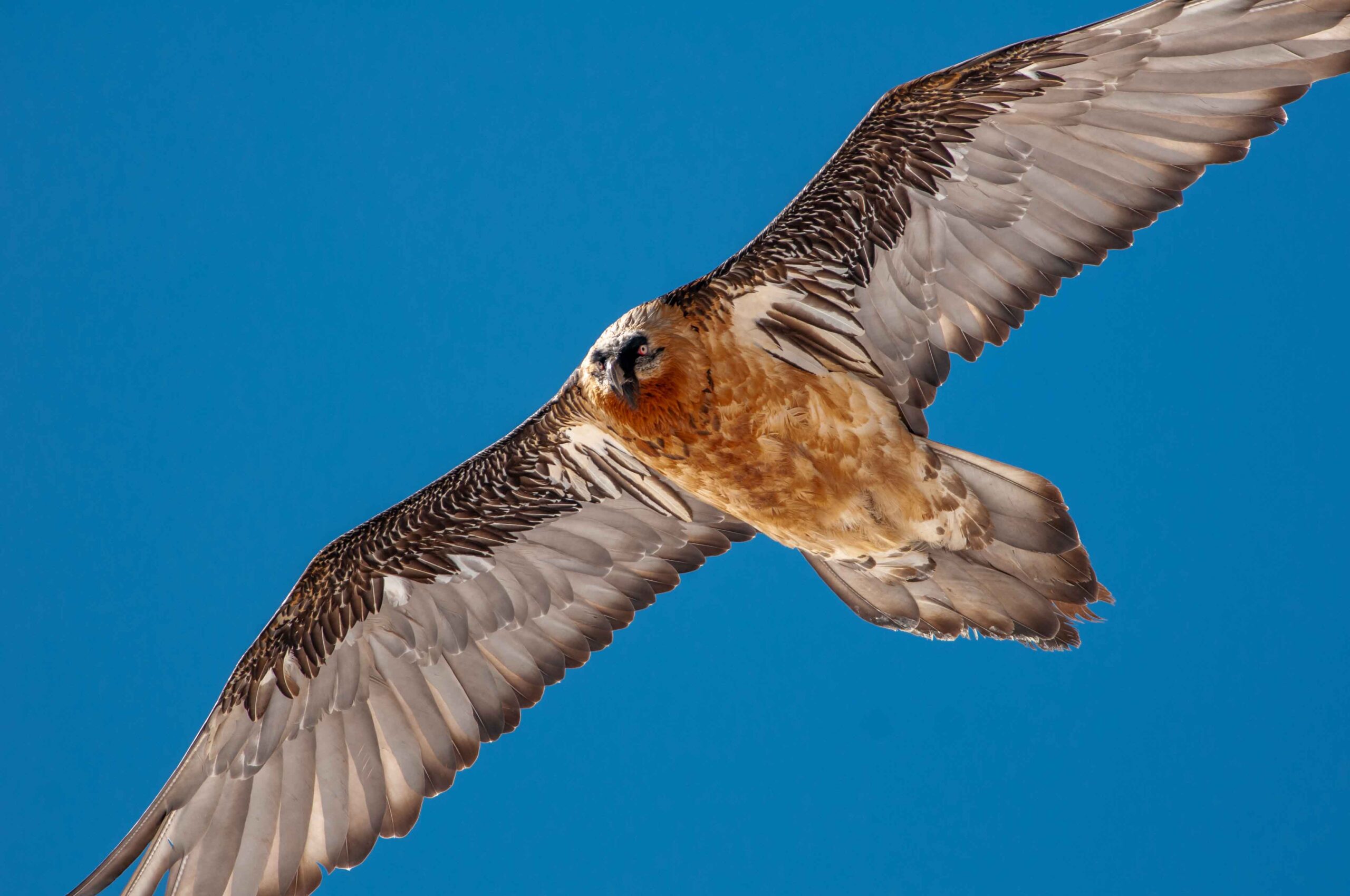
Wherever we go there will always be something interesting to entertain us. This tour is well suited to the photographers amongst us due to the spectacular light and abundance of time. You will be able to wander off on several occasions and conduct your own photographic ventures. In the higher mountainous areas, the Altai Snowcock occurs commonly together with the gorgeous Güldenstädt’s Redstart. Both Brown and Altai Accentor are found in their favoured habitat of steep rocky slopes. It is always worth keeping an eye on the sky here to check for patrolling Lammergeyer and Cinereous Vulture. At the nearby lake, the birding is excellent, with large numbers of waterfowl present, and hopefully some groups of Whooper Swans and Swan Goose amongst them. Surrounding the lake, stunted willow scrub teems with warblers – on previous trips we have found no less than 9 different species, with Arctic, Dusky, Sulphur-bellied and Greenish being the most attractive ones. On the famous Mongolian steppe, we may find Upland Buzzard, Saker Falcon, Desert Wheatear and more Pallas’s Sandgrouse – surprisingly common in this landscape.
The avifauna is excellent, but mammals are of course well represented. Along with the main target Snow Leopard, their primary food source Argali will be seen – this is the largest sheep occurring in the region. On the high mountain slopes, we will find Ibex, while Siberian Marmots call in the foothills. In the evening we will make excursions around our camp in the hope of finding the interesting Northern Three-toed Jerboa. Another large predator roams the steppe – packs of wolves are irregularly seen in the early mornings and sometimes heard howling in the evening. Additional steppe species occurring in the vicinity of our camp include the weird Saiga Antelope and Goitered Gazelle.
Overall, our time here will be full of amazing and mesmerizing sightings. We guarantee you will leave with a collection of great memories from a once-in-a-lifetime trip!
Night: Ger camp.
Day 9: Depart for Khovd; fly to Ulaanbaatar and Khustain Nuruu NP
Today will be a long travel day. We start with a transfer to Khovd to board our domestic flight returning to Ulaanbaatar. We expect to arrive in the afternoon after which we will make for our final destination, the Khustain Nuruu National Park – only a two-hour drive from the airport. We will end the day with a lovely final dinner at an excellent local restaurant before a well-earned rest.
Night: Basic lodges near the park, Khustain
Day 10 - 11: Khustain Nuruu NP
This national park is the home of the once-extirpated Przewalski’s Horse. An intensive reintroduction program rescued this species, native to the Central Asian steppe, and there is now a stable population here. Most wild horses today, like the American Mustang, are descendants of escaped feral horses that have adapted to live in the wild.
The Mongolian Przewalski’s Horse is considered the only true wild horse never to be domesticated. Along with the horses, Mongolian Gazelles will also be a target and we have a good chance of coming across good numbers of these attractive mammals. On the vast grasslands, Siberian Marmots and Long-tailed Suslick will be packing on their fat reserves before the harsh Mongolian winter arrives. As migration is in full swing, we expect to see some good birds like the Brown Flycatcher, Lesser Whitethroat, Pintail Snipe, and the resident Mongolian Larks are always a highlight.
In brush near the lodge, we can search for Red-tailed Shrikes and Asian Grey Shrikes while Pacific Swifts and Steppe Eagles may be seen overhead.
On our final day, we will search for Chinese Penduline Tit at a nearby reserve before our transfer back to Ulaanbaatar.
Night: Basic lodges near the park, Khustain
Night: Comfortable tourist hotel, Ulaanbaatar
Day 12: Departure for Home
A transfer will be provided very early this morning to Chinggis Khaan International Airport (airport code UBN).
Tour information
Focus
- Elusive Mammals
- Vast unique Landscapes
- Fall bird migration
Group size
Min 6 - Max 10
The group will be led by one birding leader and one culture guide at all times.
What's included in the Price?
All transport, including the domestic return flight between Ulaanbaatar and Khovd. All accommodations in twin rooming. All meals. All permits and national park entrances. Please note: Drinks, tips, possible visas and items of a personal nature including travel insurance, are not included.
Accomodation
Mongolia is a vast country with a sparse population, which means tourism accommodations are rare outside the capital. As a result, most of our tour will involve staying in traditional nomad camps called Gers. These camps offer a unique and authentic experience, allowing us to immerse ourselves in the local culture. We will sleep on regular camping beds with comfortable bedding, and the camps are equipped with kitchens and staff to cater to our needs. The shower and WC facilities are shared within the camps. In Ulaanbaatar, however, we will enjoy the comforts of a well-appointed tourist hotel, providing a pleasant contrast to our more rustic accommodations during the rest of the tour.
Difficulty
During our expeditions, we may embark on long journeys, some of which may traverse poor or unpaved roads. These extensive travels highlight the vastness and adventure of the region. We will be using sturdy 4WD Landcruiser vehicles throughout the tour, ensuring reliable transportation across the varied terrain. Our drives will take us to moderate heights, from where we will embark on shorter walks, sometimes uphill for extended periods. There will also be ample time for private excursions or walks around the ger camps, allowing participants to comfortably explore the stunning landscapes and natural wonders of Mongolia at their own pace.
Flights
International flights are not included in the pricing. Please connect with the RBT office to find out your best connection to Central Asia.
Clothing - What to pack?
For our expedition to Mongolia, it’s important to pack a variety of clothing to accommodate the diverse climates and activities we’ll encounter. Lightweight, easily washable, and quick-drying clothes are essential for the hot steppe and desert regions. Don’t forget to bring sunglasses and a sun hat for protection from the sun. However, it’s also crucial to pack some lightweight yet warm layered clothing for higher altitudes and early morning excursions, where temperatures can drop significantly. This should include a warm hat, fleece, and light gloves to keep you cosy. Additionally, a light waterproof jacket is recommended to shield against unexpected rain showers.
When it comes to footwear, choose light yet sturdy walking boots that can handle various terrains. It’s advisable to avoid shorts to protect yourself from the sun and respect the region’s more conservative dress customs. While people in the cities may dress more casually in western clothing, dressing modestly is still a good idea.
Mammal Bonanza
The initial focus of this venture takes us to eastern Mongolia, where we search for the sought-after Pallas’s Cat. The combination of its stocky posture and dense, long fur makes it appear stout and ritzy. This small cat inhabits the grasslands and montane steppe of Central Asia where it preys on small mammals like gerbils, pikas and voles. In the middle of the steppe, we have located a burrow where we will position ourselves in the afternoons to wait for it to appear. Here where the horizon has no end, we search for further delights like Daurian Pika, Mongolian Gerbil and Saiga Antelope. Colourful birdinclude the smallest crane on the planet; Demoiselle Crane and the eccentric-looking Mongolian Ground Jay.
Our next focus takes us to the west of the country, we will head to the picturesque Altay Mountains, a range that continues into neighboring Kazakhstan and Russia. This is the realm of the Snow Leopard. Around a decade ago the Snow Leopard was considered a ghost, seen only by scientists who spent most of the year in the mountains inhabited by these beautiful creatures. They are only seen reliably in a few places and Mongolian Altay are considered the best of all. As the Altay Mountains are not a particularly high range, the conditions in which we search for this enigmatic species are comfortable and doable for all. During the pleasant fall weather, we have good hopes of finding this cat – our sighting ratio from previous tours is 80%. Alongside this majestic cat, expect to come across packs of wolves, the unusual Northern Three-toed Jerboa and Saiga Antelopes. The birdlife here is outstanding with nine species of warblers, White-headed Ducks, Altai Snowcocks and Saker Falcons to mention a few possibilities.
We end the tour with a short visit to the Khustain Nuruu National Park where the once-extirpated Przewalski’s Horse has reclaimed the steppe. Mongolian Gazelles and Chinese Penduline-Tits are also found here, alongside attractive Brown Shrike and Mongolian Lark.
Ready for your next adventure?
Reserve your spot on our adventurous expedition for Snow Leopard & Pallas’s Cat now.
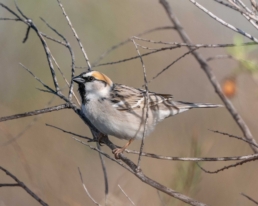
Spring migration in Central Asia
A unique birding adventure
Spring migration in Central Asia
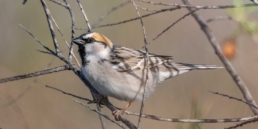
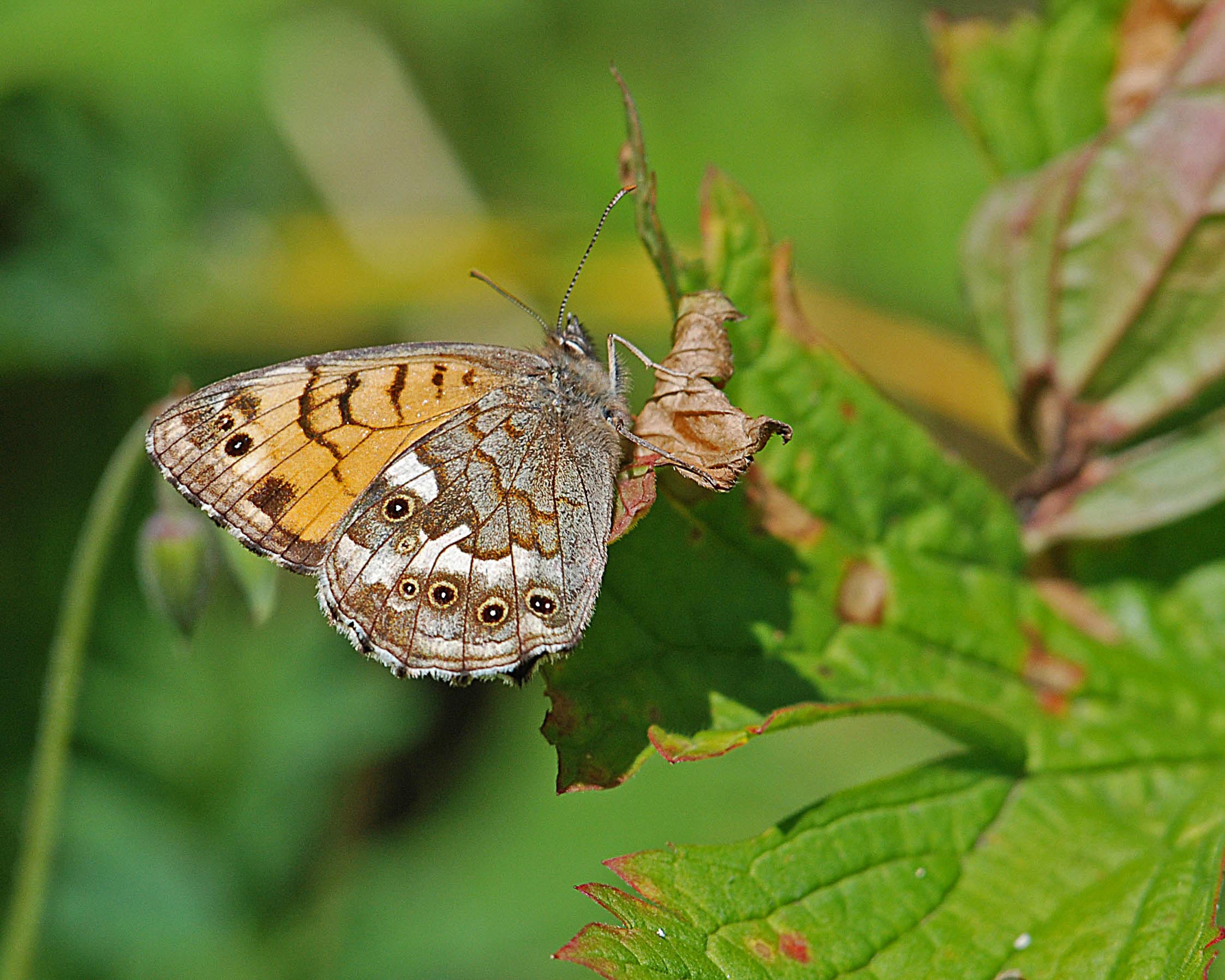
Our birding trip to Kazakhstan and Kyrgyzstan is our longest-running tour and has become our bread and butter. The tour is fine-tuned to find all the specialities of the region without being hurried. Besides birds, we focus on mammals, butterflies, and botany along our route. Expect some superb photographic opportunities throughout, both wildlife and landscapes.
Sometimes we are lucky and witness the unexpected, like a game of Kokpar, a central Asian nomad game similar to polo. The hordes of Genghis Khan had played the game since childhood to gain experience on a horse; it was a wonderful spectacle!
GUARANTEED DEPARTURE
24 May - 06 June, 2026
Cost: $3.995 – flights not included
Single supplement: $700
Deposit: $1000
Group size: Min 4 – Max 10
Availability: 4 spaces
Leader: Aleksander Povarintsev
Upcoming tour
24 May – 06 June 2027: spaces
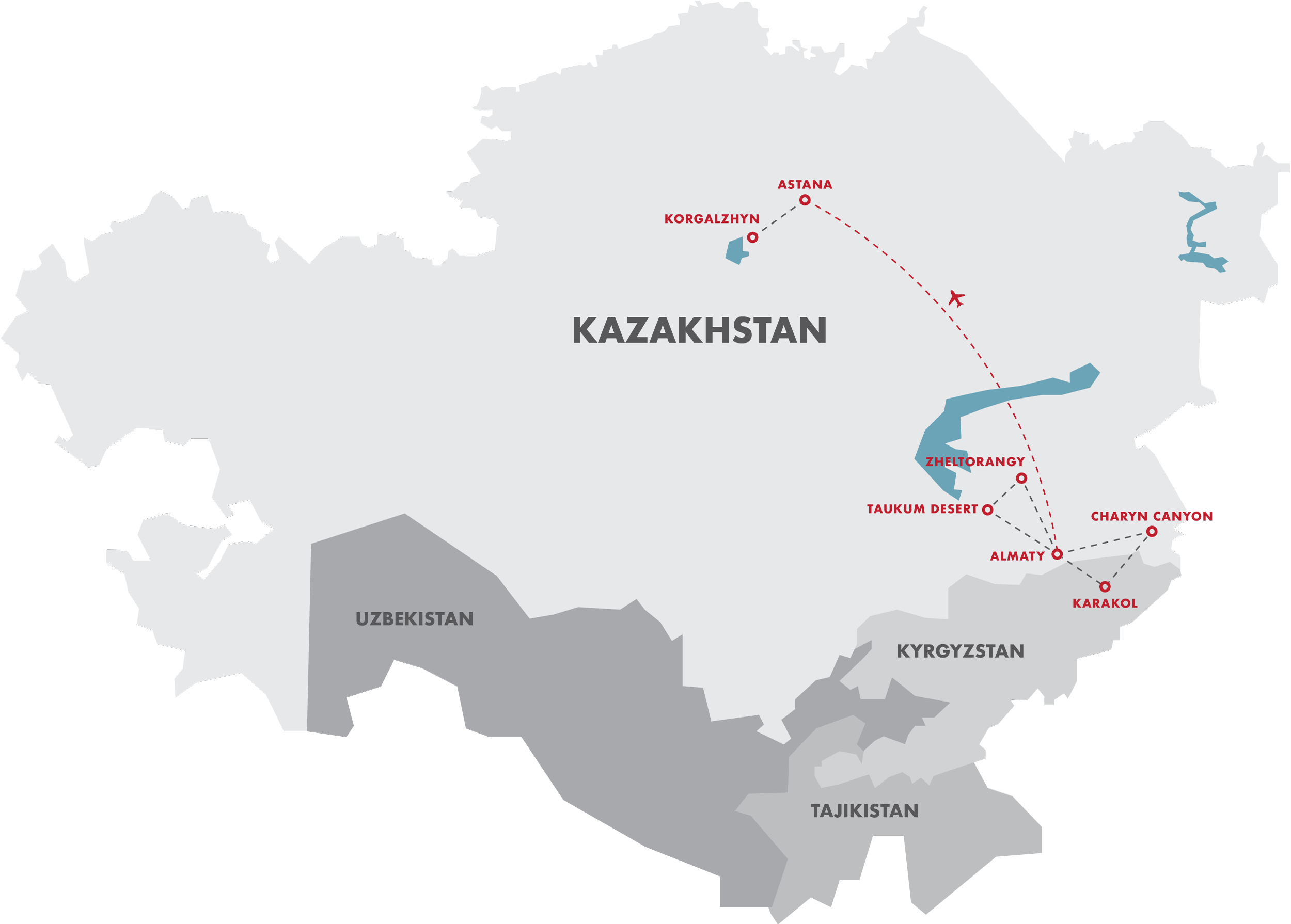
- Click on the image to enlarge
Your Central Asia itinerary
Day 1: To Almaty
Clients will depart from their home countries, heading towards Almaty, the largest city in Kazakhstan. We recommend flying with Turkish Airlines via Istanbul, as they offer convenient connections both to Almaty and for your departure from Astana. Please ensure that you arrive in Almaty before 6:00 AM on May 24th. If you wish to arrive earlier, don’t hesitate to reach out to the RBT office; we are happy to assist with additional hotel bookings.
Night: Day 1, on aircraft
Day 2: Almaty Kaskelen
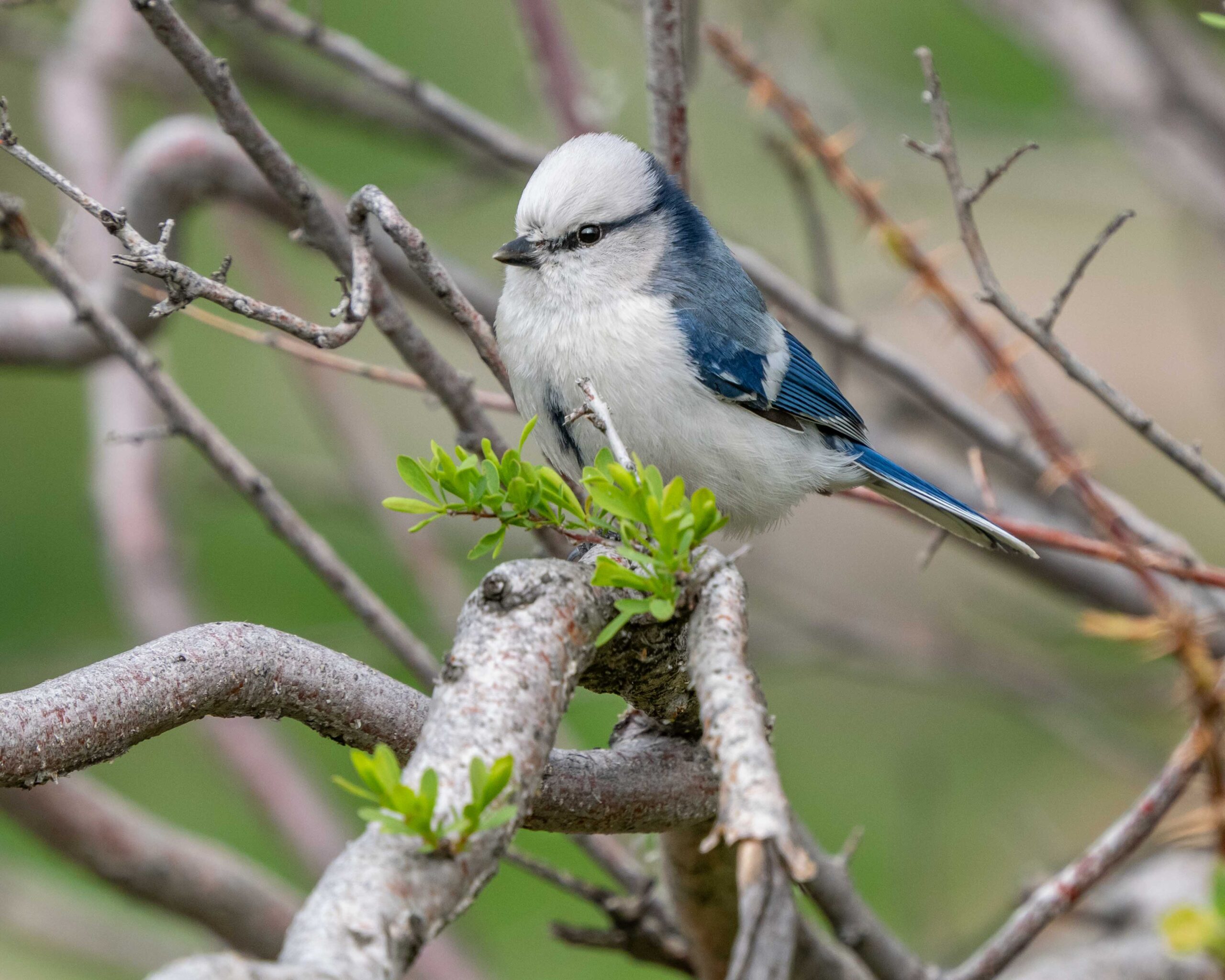
Our journey starts in Almaty, the greenest city in Central Asia. We begin in Kaskelen Ili-Ala-Tau National Park, we find and admire the commoner species of Kazakhstan, such as Grey-crowned Goldfinch, White-crowned Penduline Tit, and Azure Tit. We also search gems like Siberian Meadow Bunting, Blue Whistling Thrush, and Blue-capped Redstart.
Night: Comfortable tourist hotel in Almaty
Day 3: Sogety Valley and Kokpek pass
This morning, we depart from our hotel and journey 125 miles (200 km) east to one of Kazakhstan’s most spectacular sites – the Charyn River Gorge, known for its striking red, yellow, and black canyons. Amidst this stunning landscape, we’ll search for beautiful species such as Chukar, Rufous-tailed and Blue Rock Thrushes, Hume’s Whitethroat, and an array of buntings, including Chestnut-breasted, Grey-necked, Rock, and Red-headed.
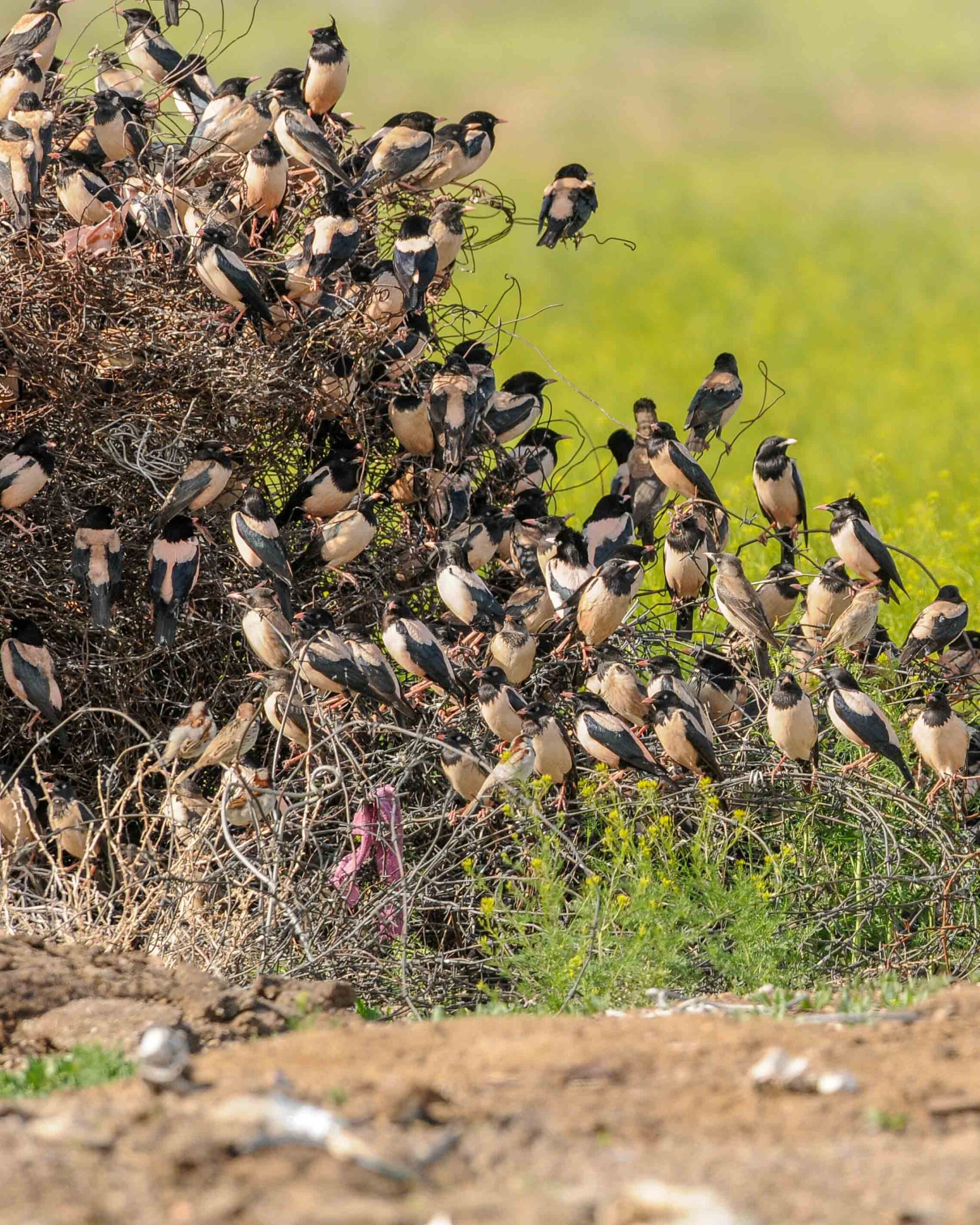
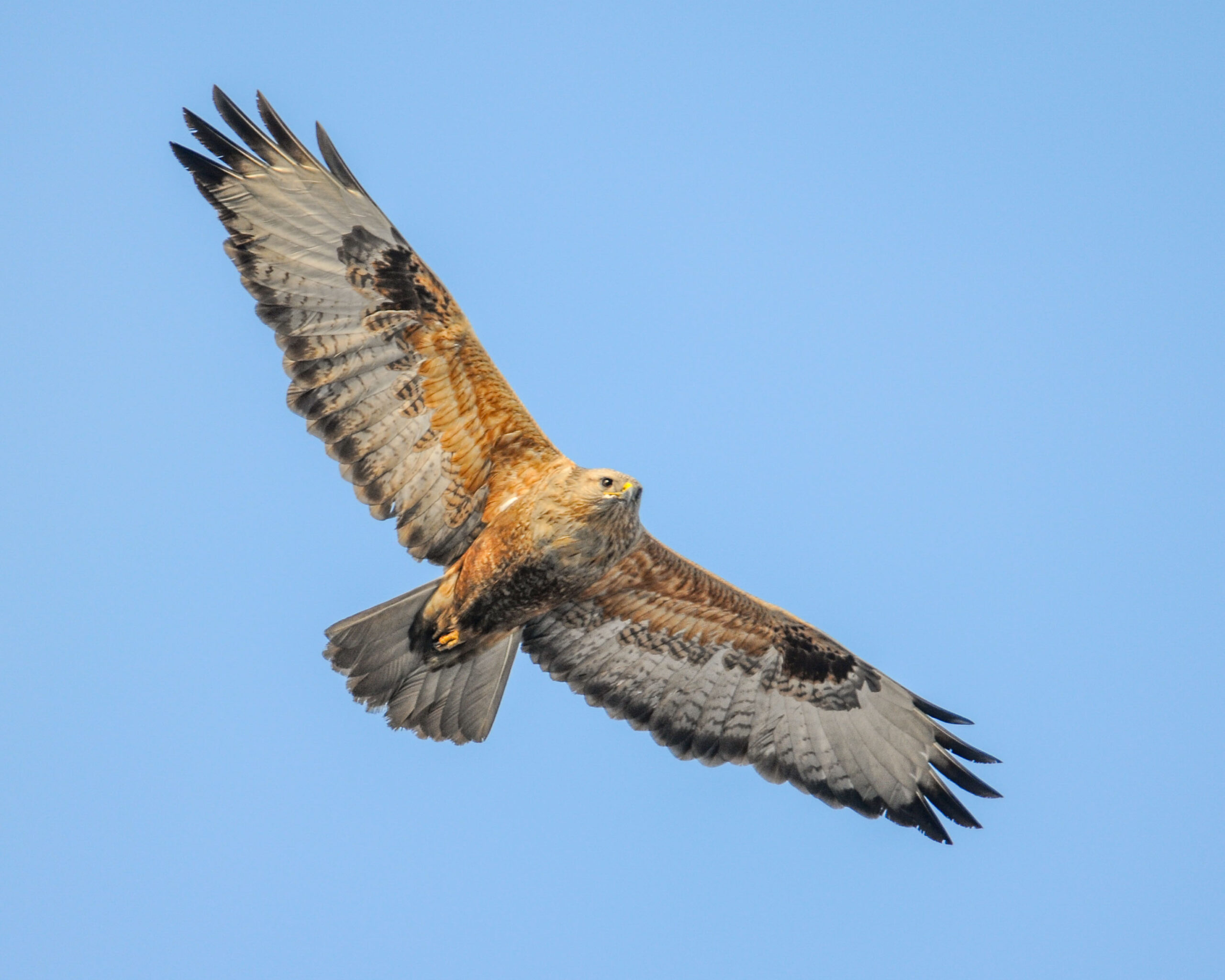
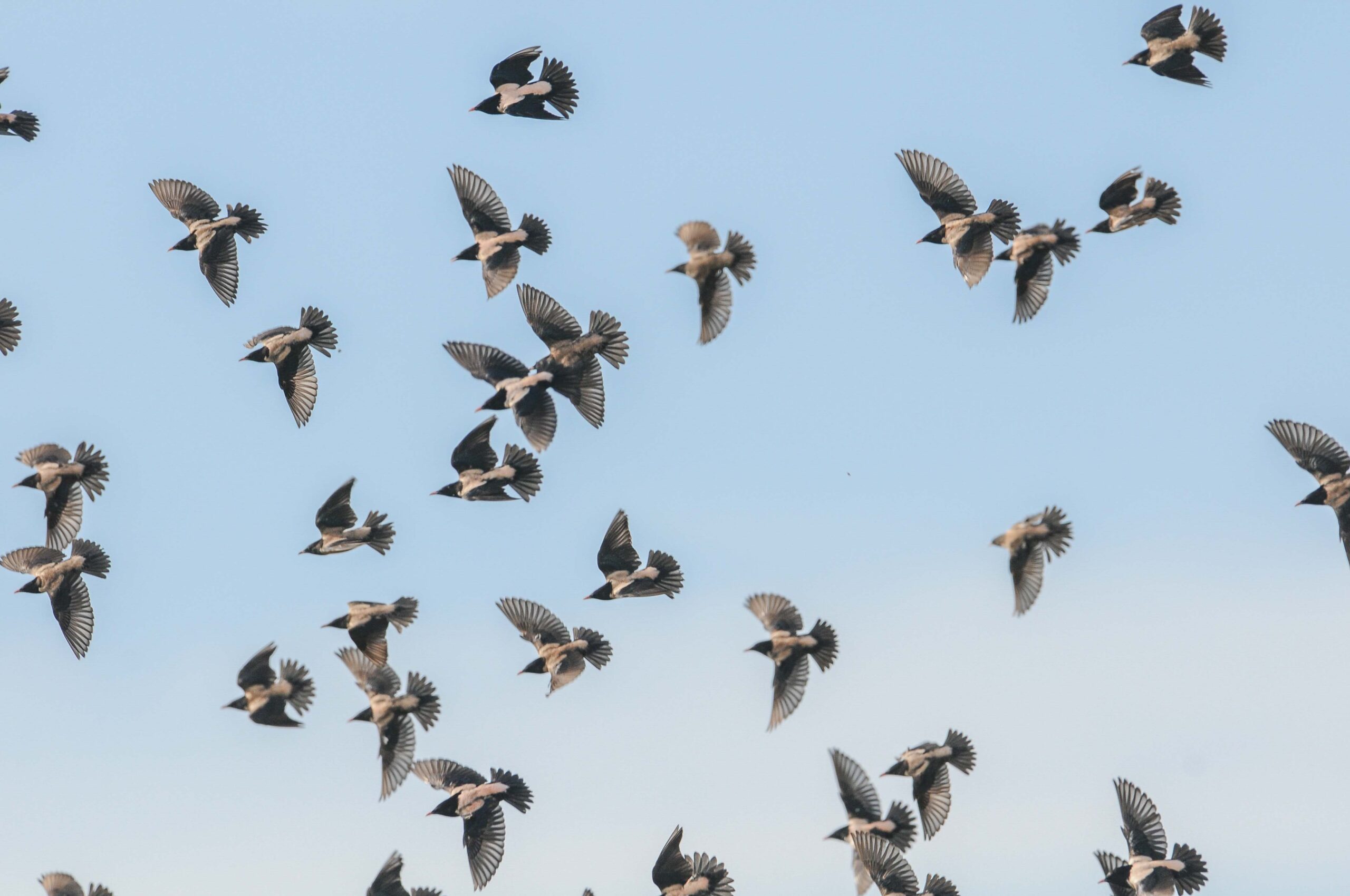
In the Sogety Valley, our focus shifts to the elusive Asian Desert Warbler and ´brandti´ Horned Larks. We’ll also be on the lookout for a variety of raptors, including Egyptian, Himalayan Griffon, and Cinereous Vultures, as well as Long-legged Buzzards, Golden Eagles, Saker Falcons, and Lesser Kestrel. Along the way, we might encounter roadside colonies of the strikingly nomadic Rosy Starlings, with their pink-and-black plumage.
In the evening, we’ll visit a small artesian site where leaking pipes have created small puddles. Here, we’ll wait for Desert Finches to arrive and hope to spot numerous Mongolian Finches. With luck, we might also see the larger and striking Asian Crimson-winged Finches stopping by for a drink. After this captivating experience, we’ll drive to our basic guesthouse, nestled in an oasis along the Charyn River.
Night: Hunting Lodges
Day 4: Travel to Kyrgyzstan
Our day begins with a walk on the Sogety plains, focused on ensuring that everyone gets a chance to see the elusive Pallas’s Sandgrouse. This elegant bird is notoriously difficult to spot due to its secretive nature and rarity in this part of Central Asia.
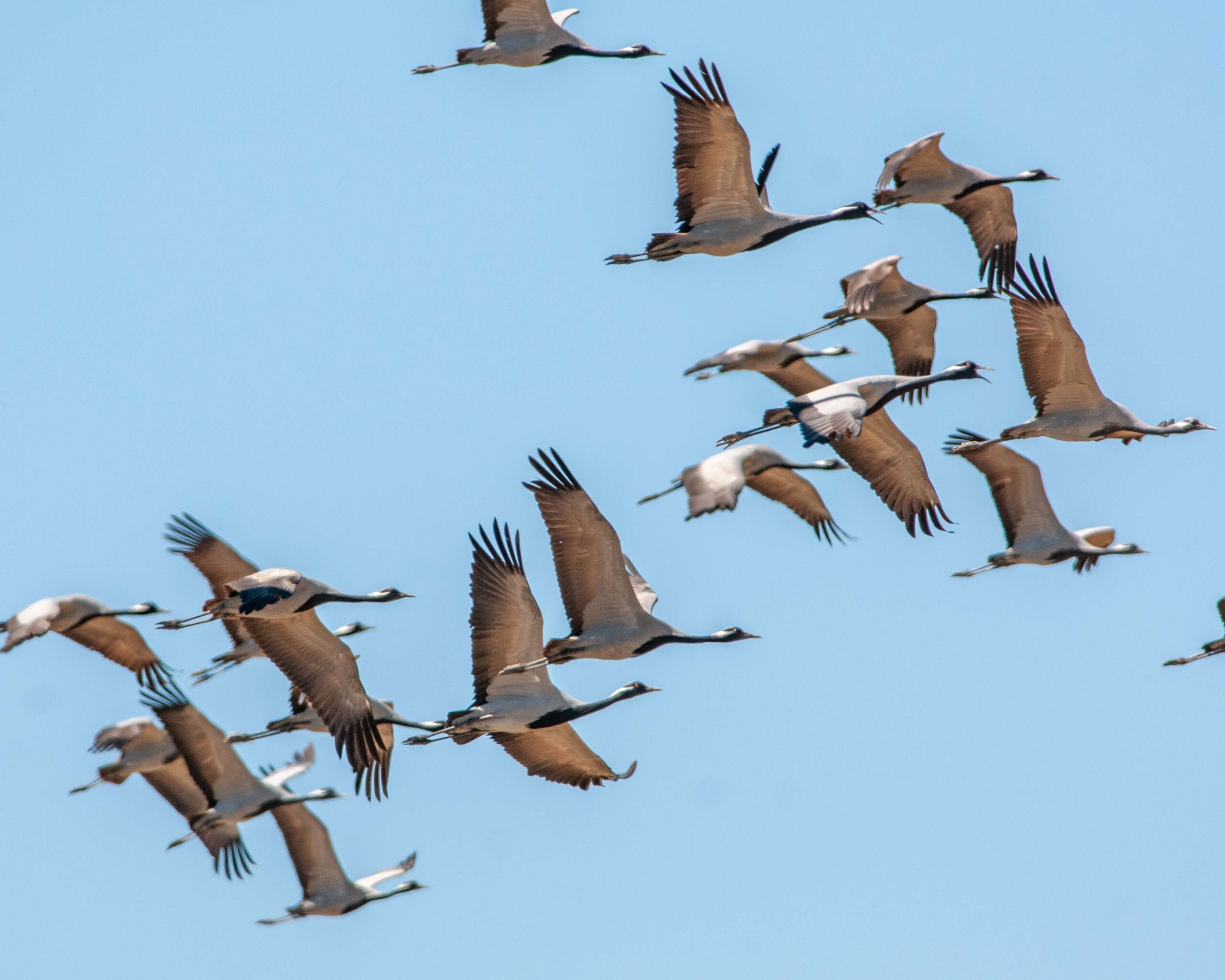
We then continue our journey southward toward the Kyrgyz border, with a lunch stop that might reward us with sightings of the charming Rock Petronia. As we ascend to higher elevations, the landscape shifts to agricultural lands, offering a chance to encounter some remarkable species, including Upland Buzzard and Saker Falcon. We may also witness large flocks of graceful Demoiselle Cranes, and if we’re exceptionally fortunate, perhaps even a rare Siberian Crane, as was observed last year.
By early evening, we arrive at our welcoming guesthouse, where a delicious dinner awaits, offering the perfect end to a day filled with birding adventures.
Night: Comfortable tourist hotel in Karakol
Day 5 - 7: Tien Shan Mountains
For 3 full days, we immerse ourselves in the awe-inspiring mountains surrounding Karakol, a city nestled on the eastern shores of Lake Yssyk Kol. Our journey takes us to remarkable altitudes, including an excursion to Chon Ashuu Pass—the highest point of our tour—reaching an impressive 3,822 meters (12,539 feet). Venturing far beyond the tree line, we search for a unique set of alpine bird species. The nearby fast-flowing river is home to both White-bellied and Brown Dippers, while Lammergeyers soar overhead.
In the lush meadows, we have a chance to spot one of the world’s most enigmatic waders—the elusive Ibisbill. Eversmann’s Redstart, along with Himalayan and Brown Accentors, are common sightings at these heights. We’ll take our time to seek out the stunning White-browed Tit-Warbler, as well as its vibrant companion, the Güldenstädt’s Redstart. In the open patches of mature, mixed deciduous and coniferous forests, we’ll find Greenish and Hume’s Warblers frequently.
In Barskoon, we dedicate a full day to exploring this majestic high-altitude landscape, rich with alpine specialists. Black-throated, Altai, and Brown Accentors, Sulphur-bellied Warbler, Red-mantled Rosefinch, White-tailed Rubythroat, White-winged Grosbeak, and the striking White-browed (Severtzov’s) Tit-Warbler are all on our target list. As we ascend higher near a gold mine, at an altitude of 10,500 feet, we’ll be on the lookout for Lammergeier, Himalayan Griffon, Red-billed and Yellow-billed Choughs, Plain Mountain-Finches, White-winged (Güldenstädt’s) Redstart, and the magnificent Himalayan Snowcock, which we have a strong chance of encountering.
Night: Comfortable tourist hotel in Karakol
Day 8: Return to Kazakhstan
As we bird our way back to Almaty, we spend the day journeying through the breathtaking landscapes of Kazakhstan. This is primarily a transfer day, offering plenty of time to admire the scenery from the comfort of our bus. Along the way, we’ll make a stop in one of the small villages, where we might encounter Red-rumped Swallows, Indian Golden Orioles, Lesser Gray Shrikes, Long-tailed Shrikes, Greenish Warblers, and the charming Laughing Doves. By late afternoon, we’ll arrive at our excellent hotel in Almaty, where a refreshing shower will be a welcome treat after a day on the road.
Night: Comfortable tourist hotel in Almaty
Day 9-11: Taukum Desert
For the next three days, we embark on an exhilarating adventure through the Taukum Desert, navigating fields of vibrant poppies and wildflowers with the majestic, snow-capped Tien Shan Mountains as our constant backdrop. As dawn breaks over this remote desert, we’ll likely witness the mesmerizing courtship displays of McQueen’s Bustards just outside our camp. Nearby, Caspian Plovers nest, and sightings of wolves and Persian Gazelles are possible—all before we’ve even had breakfast!
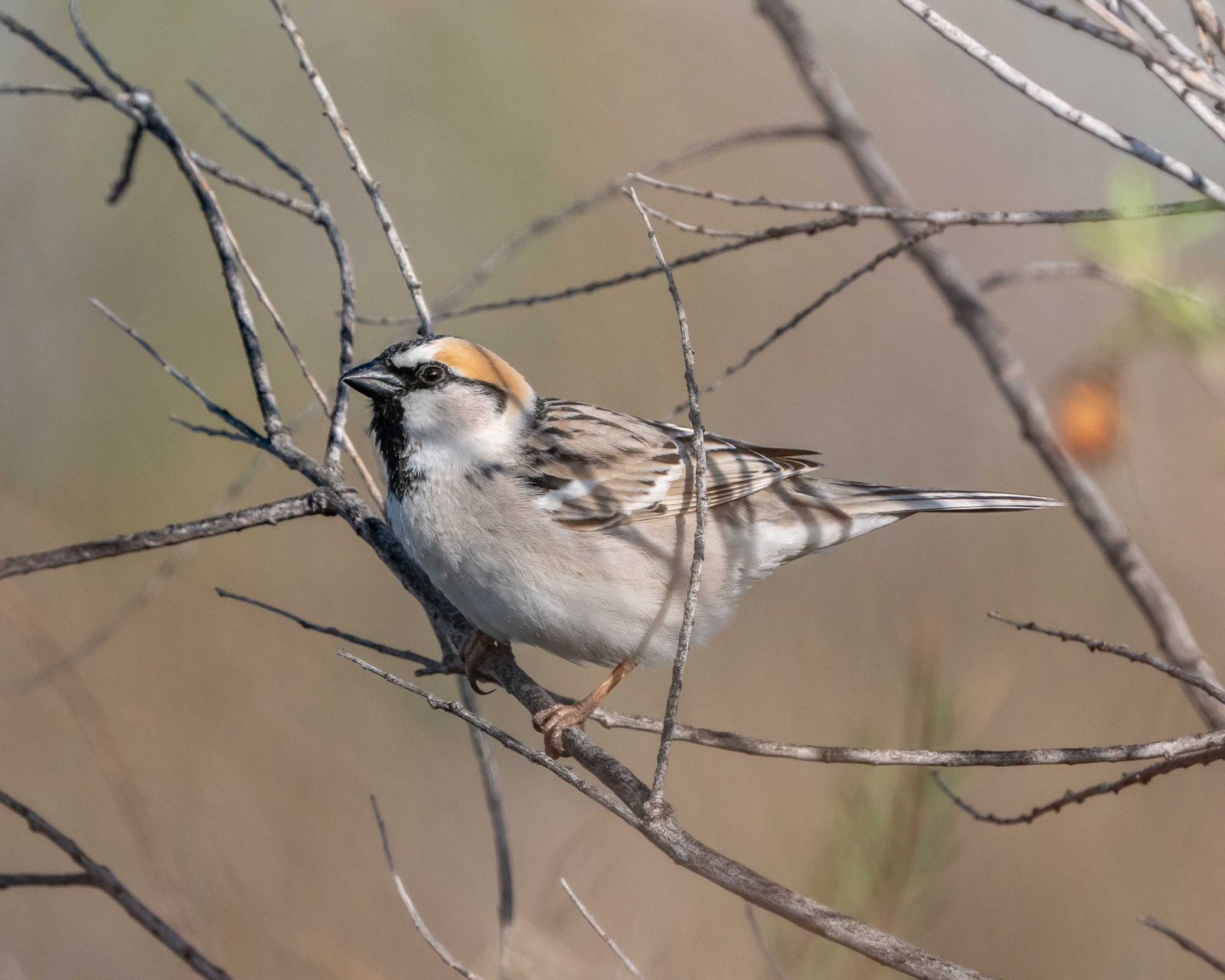
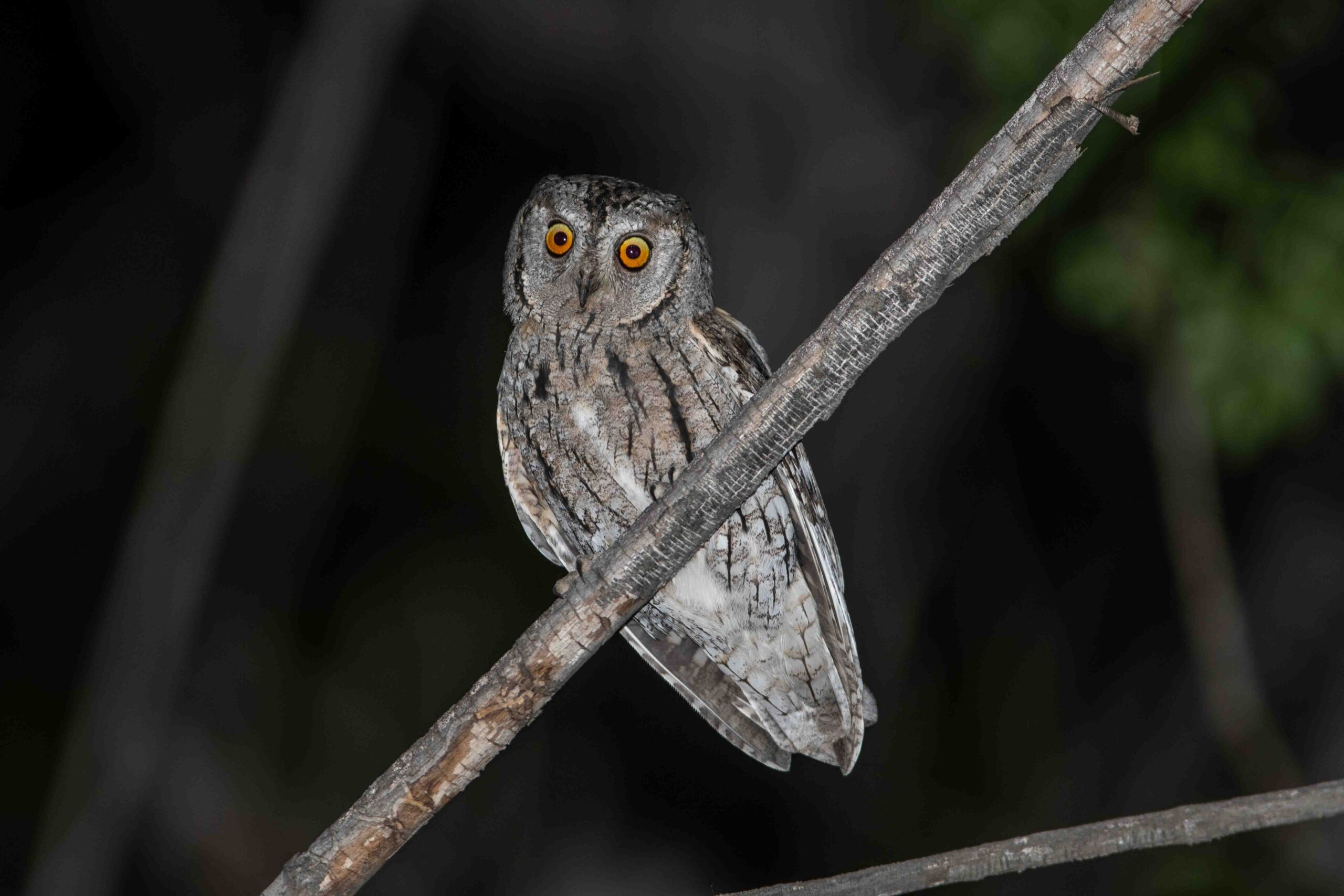
Our journey will then take us along narrow back roads that wind through a variety of steppe and desert habitats, leading us to the unique Turanga woodlands. With a bit of luck, we’ll encounter such desert specialities as the Turkestan Tit, Saxaul Sparrow, White-winged Woodpecker, and the elusive Pale-backed Pigeon (also known as Eversmann’s or Yellow-eyed Dove). If fortune smiles upon us, we may even spot the rare Pallid Scops-Owl. Along the way, we’ll be treated to the sights and sounds of numerous larks—Greater Short-toed, Lesser Short-toed, and Calandra—as well as Isabelline Wheatears and Isabelline (Rufous-tailed) Shrikes, where we’ll carefully scan for the distinctive Steppe Gray Shrike. Other possible sightings include Pied and Desert Wheatears, Rock Petronia, Spanish Sparrow, the stunning Azure Tit, and the charming Black-headed Penduline-Tit.
Each night, we will retreat to our private yurt camp nestled in the heart of the Taukum Desert—a comfortable tented camp that echoes the nomadic traditions of the local people in this beautiful and wild landscape.
Night days 9 and 10: Private Rubythroat Yurt Camp
Night day 11: Comfortable tourist hotel in Almaty
Day 12-14: Astana & Korgalzhyn Nature Reserve
We begin this part of our journey with a morning flight to the capital of Kazakhstan, where a futuristic city has risen amidst the vast steppes. The surrounding area, characterized by seemingly endless steppe and marshlands interspersed with immense reed beds, is teeming with waterbirds. Here, we’ll have our first encounters with Paddyfield, Cetti’s, Moustached, Grasshopper, and Savi’s Warblers, as well as Bluethroats, Citrine Wagtails, and various colourful races of Western Yellow Wagtail.
The highlight of our visit to this region is the Korgalzhyn National State Reserve, a hidden gem in Kazakhstan that remains surprisingly unknown, even to many locals. This vast wetland area, a blend of virgin steppe and lakes, is not only home to wolves, marmots, and the endangered saiga antelope but is also a haven for birdlife. Located at the crossroads of two major migration routes, the wetlands act as a crucial stopover for millions of birds, with Lake Tengiz alone capable of sustaining up to 15 million birds. The area is largely protected as a ‘Zapovednik’ (national nature reserve) and hosts the world’s northernmost population of Greater Flamingo, among over 300 bird species. The reserve boasts one of the largest wildfowl populations in Asia, with pelicans, cranes, and various birds of prey among the notable residents.
Our primary target in this vast landscape is the globally endangered Sociable Lapwing, with nesting groups expertly located by our local guide. But the attractions don’t stop there—roadside colonies of Black-winged Pratincoles and White-winged Black Terns, both in stunning breeding plumage, should be interspersed with migrant shorebirds such as Red-necked Phalaropes, Spotted Redshanks, Terek Sandpipers, Ruffs displaying in full splendour, and Little and Temminck’s Stints. The numerous wetlands and lakes are also home to breeding Dalmatian Pelicans, Great Bitterns, White-headed Ducks, Red-necked and Eared Grebes, Whooper Swans, Greylag Geese, Red-crested Pochards, and Caspian Terns.
Perhaps even more remarkable are the close colonies of majestic Great Black-headed Gulls, accompanied by Steppe and Slender-billed Gulls.
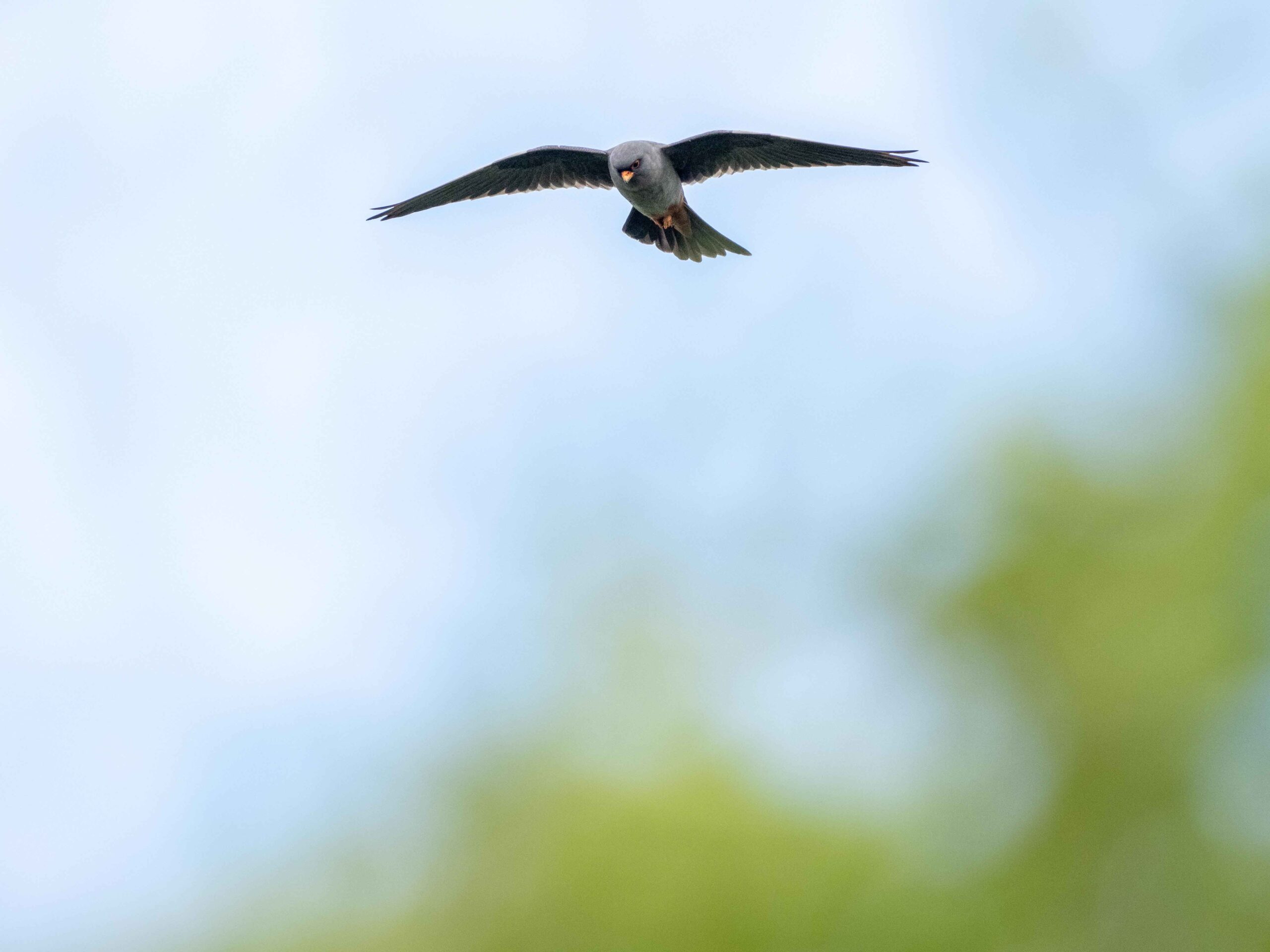
The damp, grassy steppe is the domain of the graceful Demoiselle Cranes, while scattered scrub holds the potential for sightings of Booted Warblers, Pallid Harriers, and striking Red-footed Falcons. Among the most special birds we aim to find are the Black and White-winged Larks—often abundant along the roadside, these species are unique to the Central Asian steppes.
Nights days 12 and 14: Comfortable tourist hotel in Astana.
Night day 13: Basic guesthouse Korgalzhyn
Day 15: Return to home
Early this morning, a transfer will be arranged to Nursultan Nazarbayev International Airport (NQZ), ensuring timely arrival for the Turkish Airlines flight to Istanbul, currently scheduled for departure at 3:20 a.m.
Night: No lodging
Tour information
Focus
- Birds
- Mammals
- Vast unique landscapes
Group size
Min 4 - Max 10
The group will be led by one birding leader and one culture guide at all times.
What's included in the Price?
All transport, including the domestic flight between Almaty and Astana. All accommodations in twin rooming. All meals. All permits and national park entrances. Please note: Drinks, tips, possible visas and items of a personal nature including travel insurance, are not included.
Accomodation
Throughout our journey in Kazakhstan and Kyrgyzstan, we will venture primarily off the beaten track, immersing ourselves in the authentic beauty and culture of these remarkable countries. While Kazakhstan is renowned for its stunning vast landscapes, rich culture, and hospitable people, its tourism infrastructure is still developing. In Almaty, we will be accommodated in a comfortable tourist hotel with private facilities, providing a restful retreat after our adventures. As we travel through the Charyn and Astana regions, our accommodations will be more basic, offering shared facilities. These accommodations typically feature simple, clean rooms with basic amenities such as a shared bathroom and WC, ensuring our comfort during our explorations.
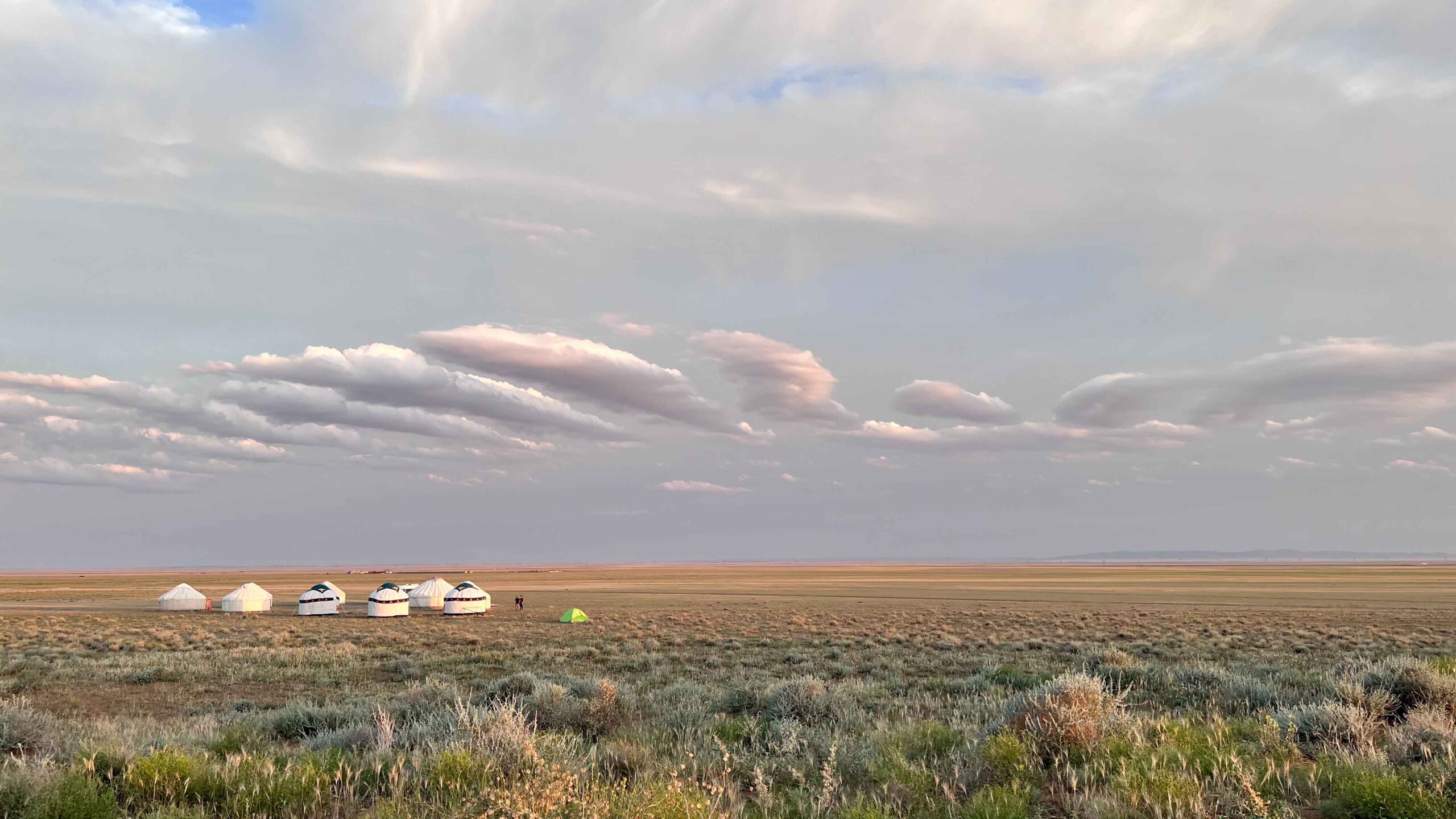
During our exploration of the Taukum Desert sites, we will experience the enchantment of camping under the stars in Rubythroat’s operated private yurt camp. We are the ONLY company offering this style of accommodation. Other companies use tents. Yurts are shared, and we will provide separate shower yurts and Western-style WC facilities. While the camping experience offers a unique opportunity to connect with nature, please note that washing facilities are basic. However, we will provide suitable warm sleeping bags to ensure a comfortable night’s rest under the open sky.
In Kyrgyzstan, our accommodations will include overnight stays in comfortable tourist hotels located in the heart of the city, providing a convenient and restful retreat after our adventures in this breathtaking country.
Difficulty
During our expeditions, we may embark on long journeys, some of which may traverse poor or unpaved roads. However, these extensive travels serve to highlight the vastness and adventure of the region. Throughout the journey, we’ll travel in comfort using a reliable coach for transportation. When it comes to walking, the tours are designed to be primarily easy to moderate, even in the high elevations of the Tien Shan Mountains. Most of our walking excursions involve short distances on flat terrain or downhill paths, ensuring that participants can comfortably explore the stunning landscapes and natural wonders of Central Asia.
Flights
International flights are not included in the pricing. Please connect with the RBT office to find out your best connection to Central Asia.
Clothing - What to pack?
For our expedition to Central Asia, it’s important to pack a variety of clothing to accommodate the diverse climates and activities we’ll encounter. Lightweight, easily washable, and quick-drying clothes are essential for the hot steppe and desert regions, along with sunglasses and a sun hat for sun protection. However, don’t forget to pack some lightweight yet warm layered clothing for higher altitudes, where temperatures can drop significantly. This includes a warm hat, fleece, and light gloves to keep you cosy. Additionally, a light waterproof jacket is recommended to shield against unexpected rain showers. When it comes to footwear, opt for light yet sturdy walking boots that can handle various terrains. It’s advisable to avoid shorts to protect yourself from the sun, as the region can be conservative in dress. While people in the cities tend to dress more casually in Western clothing, it’s still a good idea to respect local customs by dressing modestly. If needed, laundry facilities are available at hotels in larger towns such as Karakol, Almaty, and Astana, offering convenience for longer stays.
Ready for your next adventure?
Reserve your spot on our Spring Migration expedition in Kazakhstan and Kyrgyzstan